Designing a new workspace is exciting… until it becomes stressful. One person wants more cabins, another wants “open office vibe,” finance wants cost control, HR wants collaboration, and IT just wants nobody to touch their network plan last minute. In Delhi NCR especially, timelines are tight and decisions get rushed.
Most workspace mistakes don’t happen because teams don’t care. They happen because the planning starts in the wrong order. People jump to look-and-feel before they lock how the office will actually work day-to-day. If you’re building a new office and want it to feel smooth from Week 1 (not after 6 months of fixes), start with the right base planning. If you need a structured approach, our office interior design services are built exactly for this kind of end-to-end execution.
Below are the most common mistakes companies make, plus simple ways to avoid them without overcomplicating the project.
Mistake 1: Designing for headcount, not work modes
This is the biggest one. Teams plan seats like “100 people = 100 desks,” then add two meeting rooms and call it done. But your office isn’t a seating chart. It’s a work system.
A better way is to start with work modes:
- Deep focus work
- Calls and video meetings
- Collaboration and quick huddles
- Project work where things stay open on walls
- Client meetings and leadership reviews
- Breaks, reset time, casual chats
When you map work modes first, the layout becomes logical. Quiet zones don’t get mixed with noisy zones. Calls don’t spill into open areas. And you stop fighting over “open vs cabins” because the answer becomes “mix, based on use.”
How to avoid it:
Do a 60-minute workshop with HR, IT, and business heads. List the top 5 work activities per team and how often they happen. Design around that reality.
Mistake 2: Thinking acoustics is “extra”
Many offices look premium but sound like a call centre. Too much glass, hard floors everywhere, no absorption, and suddenly people are wearing headphones all day. Noise is a silent retention killer. People don’t always complain, they just avoid coming in.
The comfort logic in the WELL Building Standard is useful here because it treats sound as a performance input, not decoration.
How to avoid it:
Plan acoustics in two layers: layout first, materials second.
Layout: keep call-heavy teams together, place booths where calls start, push quiet bays away from pantry and reception.
Materials: add absorption in ceilings or walls in noisy aisles, seal meeting room doors properly, and avoid excessive hard surfaces.
Mistake 3: Underbuilding small meeting rooms
This is why meeting rooms are always “booked.” Cookie-cutter planning usually gives one big boardroom and one mid-size room. Then people book the big one for a 15-minute call because there is no small room.
In modern offices, small rooms do the heavy lifting.
How to avoid it:
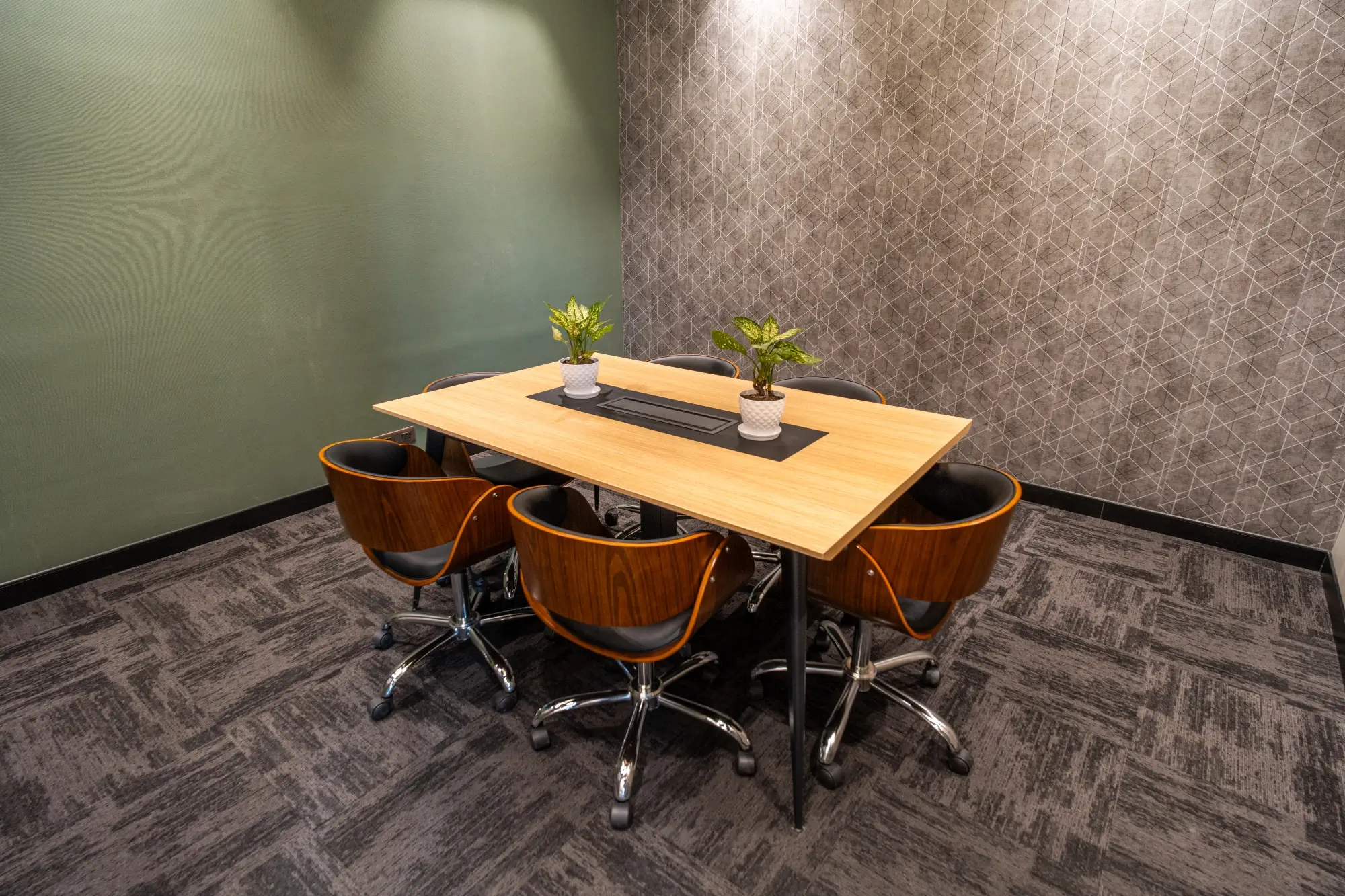
Shift the meeting mix. A simple rule that works: more 2–4 seater rooms and phone booths, fewer oversized rooms. Put small rooms close to work bays so people don’t travel far for short calls. Keep one polished room near reception for client meetings.
Mistake 4: Cramming seats and calling it “efficient”
Everyone wants maximum seats. But when aisles are tight, people bump chairs, movement feels chaotic, and the office becomes tiring. Also, dense seating increases noise and heat load, which then stresses HVAC.
Real efficiency is not “more seats.” It is “smooth work with less friction.”
How to avoid it:
Keep sensible circulation. You should be able to pass someone in an aisle without doing that awkward sideways shuffle. Make sure the plan has breathing room near printer points, pantry entries, and meeting clusters.
If you want a simple checklist to align stakeholders on basics like circulation, storage, daylight, and zoning, refer to 10 Elements of a Well-Designed Office Building before you freeze the layout.
Mistake 5: Ignoring HVAC zoning and fresh air planning
Offices often plan HVAC like an afterthought: “It’s central AC, it will manage.” Then meeting rooms become ovens, certain corners feel stuffy, and people complain daily.
Fresh air and zoning matter more now because offices run on calls, long meetings, and mixed occupancy days.
How to avoid it:
Design HVAC in zones: open office, meeting rooms, server/IT, reception/client area, café. This way, one zone can be adjusted without disturbing the whole floor. Also confirm fresh air rates and filtration early; don’t treat it as a vendor detail.
For practical, India-relevant guidance on healthier interiors and energy choices, IGBC Green Interiors is a good reference point (even if you’re not aiming for certification).
Mistake 6: Leaving electrical and data points to the last minute
This leads to messy trunking, wires on the floor, and “why is there no plug near this table?” moments. Collaboration tables without power become decoration. Meeting rooms without proper AV planning become daily frustration.
How to avoid it:
Plan power and data around behaviour:
- Power at workstations is obvious, but also add it at collaboration tables and café counters
- Decide Wi-Fi access point locations early (not after the false ceiling is done)
- Standardise AV kits across rooms so every meeting doesn’t start with 10 minutes of setup
Mistake 7: Treating lighting like only a mood setting
Bad lighting doesn’t show up in photos, it shows up in people’s eyes. Glare on screens, harsh overhead lights, and dark corners reduce comfort and focus fast.
How to avoid it:
Use layered lighting:
- Neutral ambient light for work bays
- Task lighting where people do long laptop work
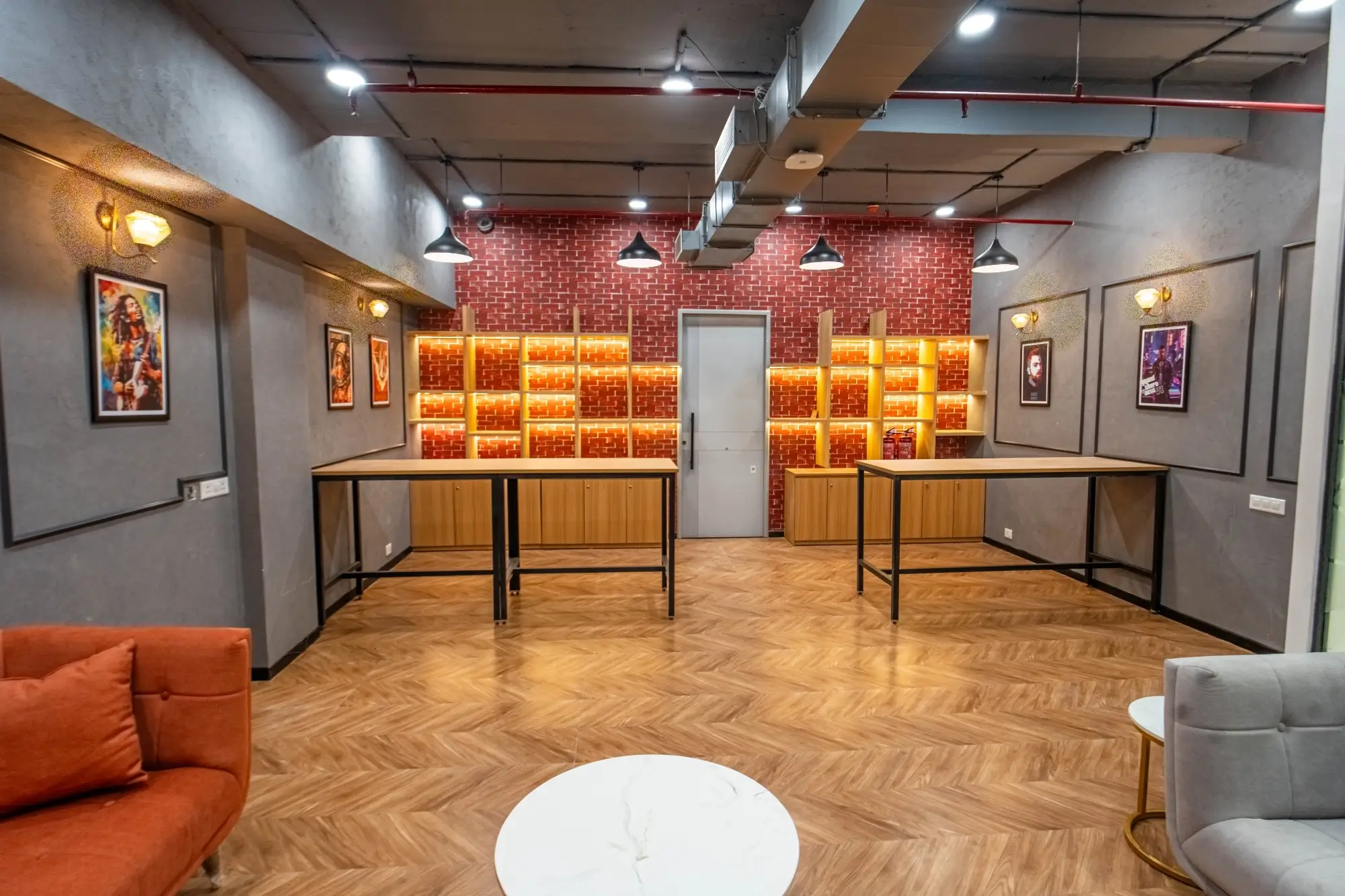
- Warmer lighting for lounge/café zones
- Reduce glare by avoiding shiny surfaces behind monitors
Small fix, big impact.
Mistake 8: No real storage plan
Most new offices underestimate storage, then clutter starts living everywhere: under desks, on window sills, in meeting rooms, near reception. This makes even a premium space look messy.
How to avoid it:
Plan storage like a function, not leftover space:
- Lockers for employees (especially if hybrid/hot desks exist)
- IT cupboard for routers, spares, cables
- Pantry back storage for supplies
- A courier landing zone near reception so parcels don’t block fire exits
Mistake 9: Buying furniture based on price, not use
Chairs and worktops take daily load. Cheap chairs start failing early, and once chairs feel uncomfortable, people mentally blame “the office.” It sounds small, but it’s real.
How to avoid it:
Shortlist chairs and workstations that are built for commercial use. If you need a simple benchmark for durability and safety, the BIFMA standards overview is a useful reference. If budget is tight, reduce desk count a bit, but don’t compromise on chair quality.
Mistake 10: Branding as a last-minute sticker job
Many offices do everything, then at the end someone says “Where is branding?” and suddenly logos get pasted on random walls. It looks forced.
Branding should feel like the office belongs to your company, not like a rented hall.
How to avoid it:
Keep branding subtle but intentional:
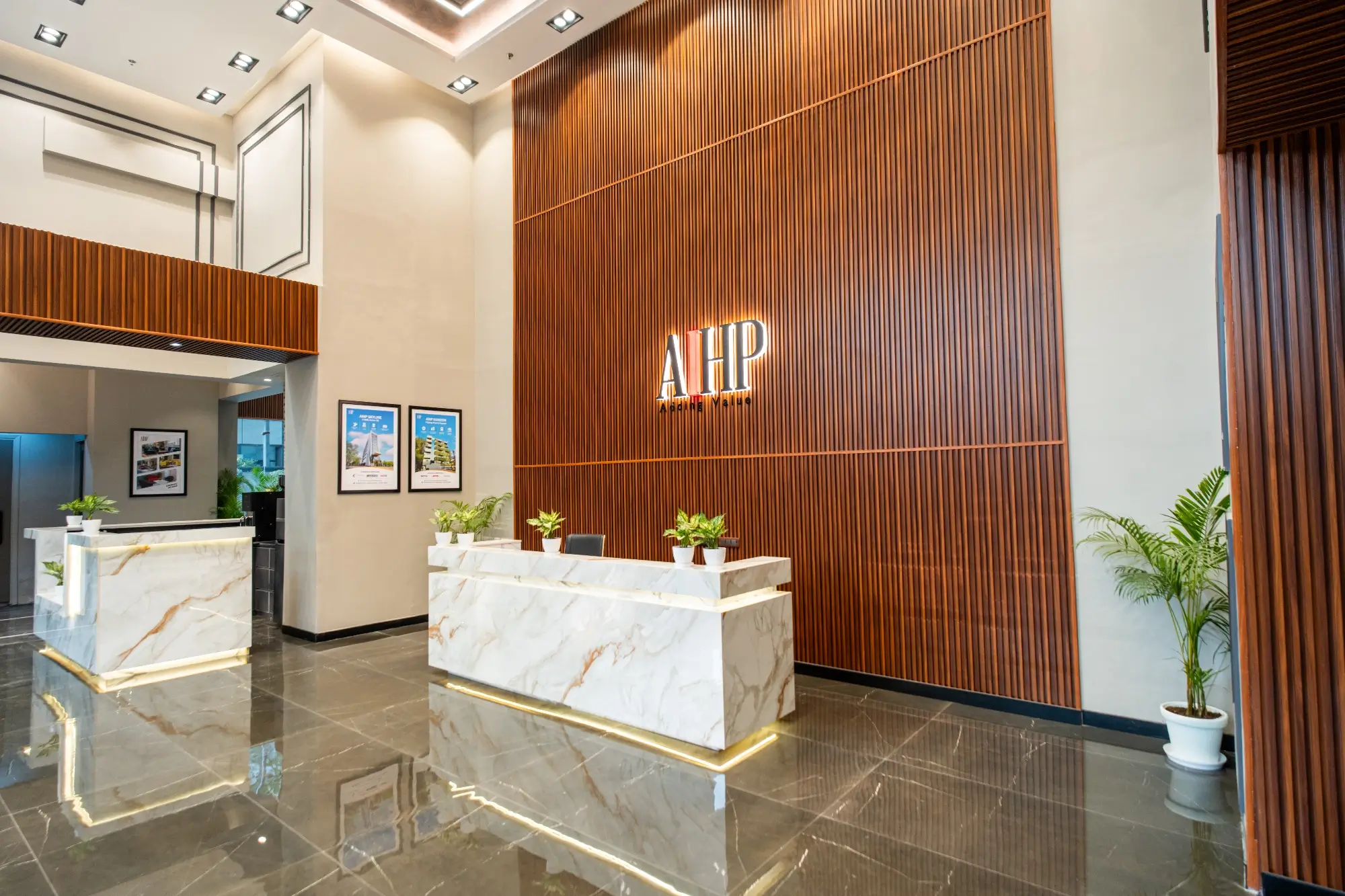
- One strong reception identity moment
- A polished client meeting room
- A café/community zone that feels warm
- Brand cues in materials, colours, and graphics instead of loud logos everywhere
If your leadership team needs visual references to align quickly, browsing a few real examples in our workspace gallery helps decisions happen faster without endless moodboards.
Mistake 11: Not planning for growth and change
Most companies change faster than their office. Team sizes shift, new functions appear, hybrid patterns change, and suddenly the layout feels outdated.
How to avoid it:
Build smart flexibility:
- Demountable partitions in selected areas
- A couple of project rooms that teams can “own” for a few weeks
- Extra capacity in electrical/data panels
- Multi-use café space that can become townhall or training
This keeps your office usable for years without demolition.
Mistake 12: Skipping user training and simple rules
Even a great office can feel chaotic if people don’t know how to use it. Hot desks get blocked. Meeting rooms get hoarded. Phone booths become private cabins. Small issues become daily irritation.
How to avoid it:
Do a simple move-in playbook:
- 10-minute floor tour
- Clear booking rules for desks and rooms
- Clean desk policy for shared seats
- Booth time limits
- A single helpdesk system for issues
It’s basic, but it keeps things smooth.
A clean way to run your project without confusion
If you want a simple order that works, follow this:
- Lock work modes and zoning
- Freeze layout and circulation
- Freeze MEP (HVAC, power, data, fire)
- Finalise lighting + acoustics
- Select furniture and finishes
- Add branding moments
- Do a short user onboarding plan
When you’re ready to turn your requirements into a clear floor plan and execution timeline, Contact us and we’ll help you structure it properly, without making it feel too “designy.”