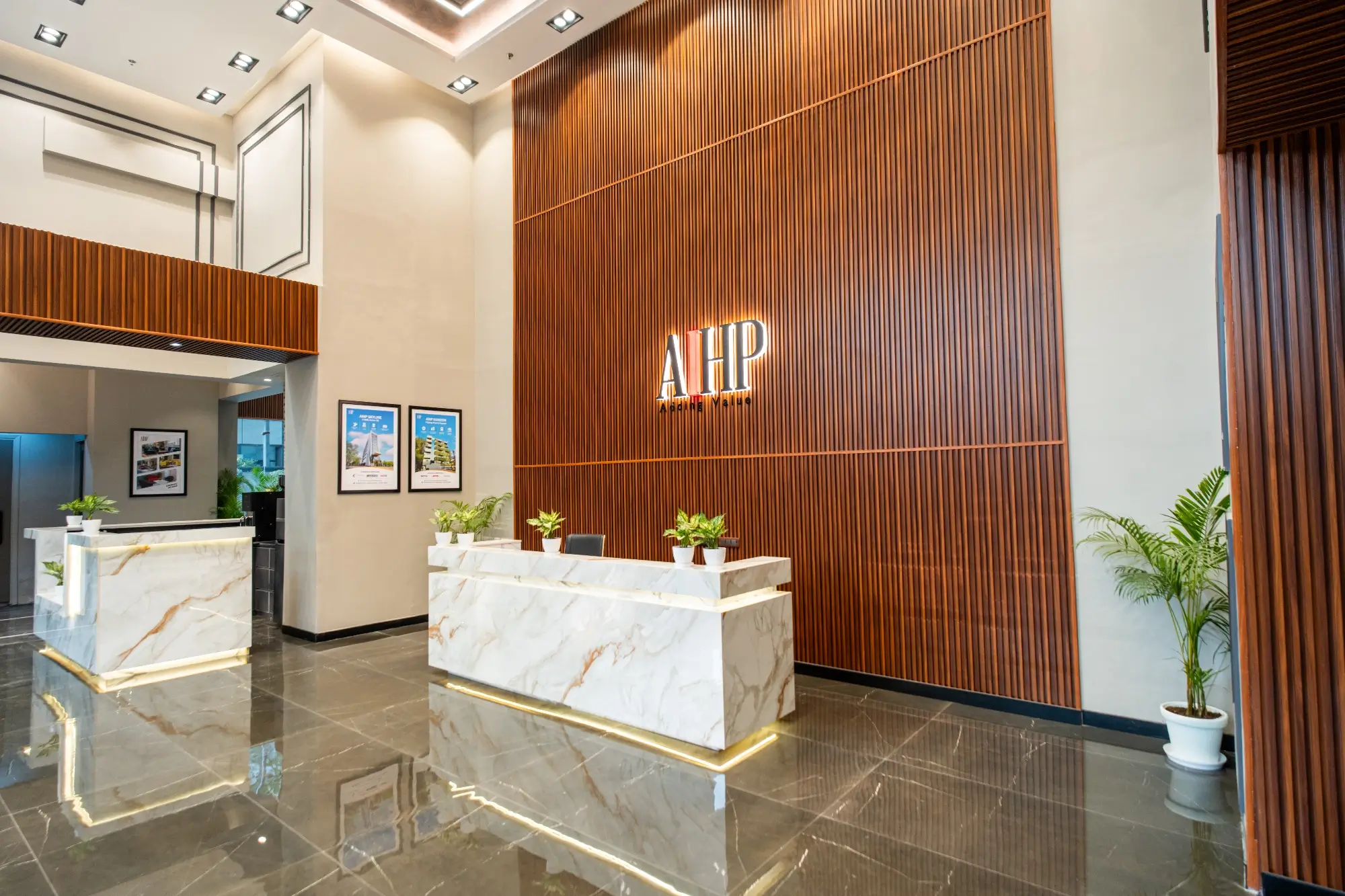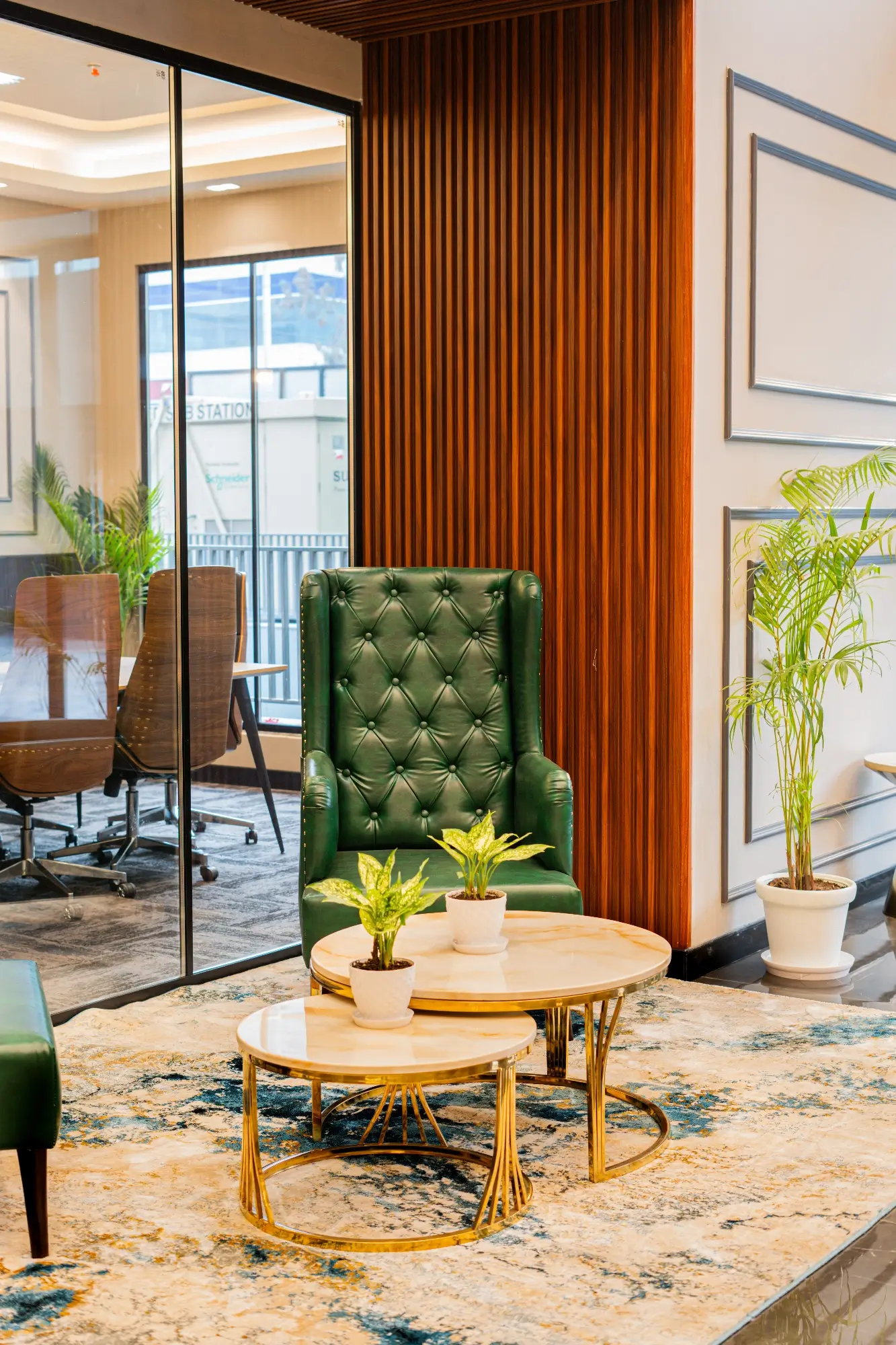
Hiring is hard. Keeping great people is harder. In Delhi NCR, where good talent has options in Gurgaon, Noida, and Delhi proper, your office can quietly become the reason people stay—or start looking. Not the marble reception or the Instagram wall, but the day-to-day experience: light that doesn’t strain the eyes, spaces that match real work, and a layout that feels sorted even on busy days. If you’re planning a move or a refresh, it helps to align early with a design-first team, and you can start that conversation through our office interior design services so decisions don’t drift.
Why interiors matter for retention in Delhi NCR (right now)
Metro commutes are long, weather swings are real, and hybrid has settled into a rhythm. On most teams, Tuesdays and Thursdays are heavy; Fridays are lighter. If the office fights how people actually work—too few small rooms, noisy open floors, dull corners—employees simply choose WFH on days that matter or start taking recruiter calls. On the flip side, a floor that respects focus, gives clean places for calls, and offers a calm café for quick resets becomes a magnet. People show up more, leaders see momentum, and churn slows down.
What makes people stay: five everyday drivers
1) Predictable focus. When there’s a real “library zone” and plenty of tiny rooms, people don’t waste energy hunting for quiet.
2) Smooth collaboration. Project rooms with pin-up walls and a few open huddle points keep teams moving without booking a 10-seater for a 10-minute chat.
3) Comfort that lasts the day. Neutral light at desks, warmer light in lounges, decent chairs, steady air—fatigue drops, accuracy rises.
4) A place that feels like us. Two or three strong brand moments say more than wallpaper logos.
5) Clean operations. Power where work happens, quick help when something breaks, and storage that stops clutter from taking over.
If you want a quick on-paper audit before design starts, share your plan with HR and IT against a simple checklist like 10 Elements of a Well-Designed Office Building so the boring but critical items don’t get missed.
Layouts that reduce friction (and make people happier)
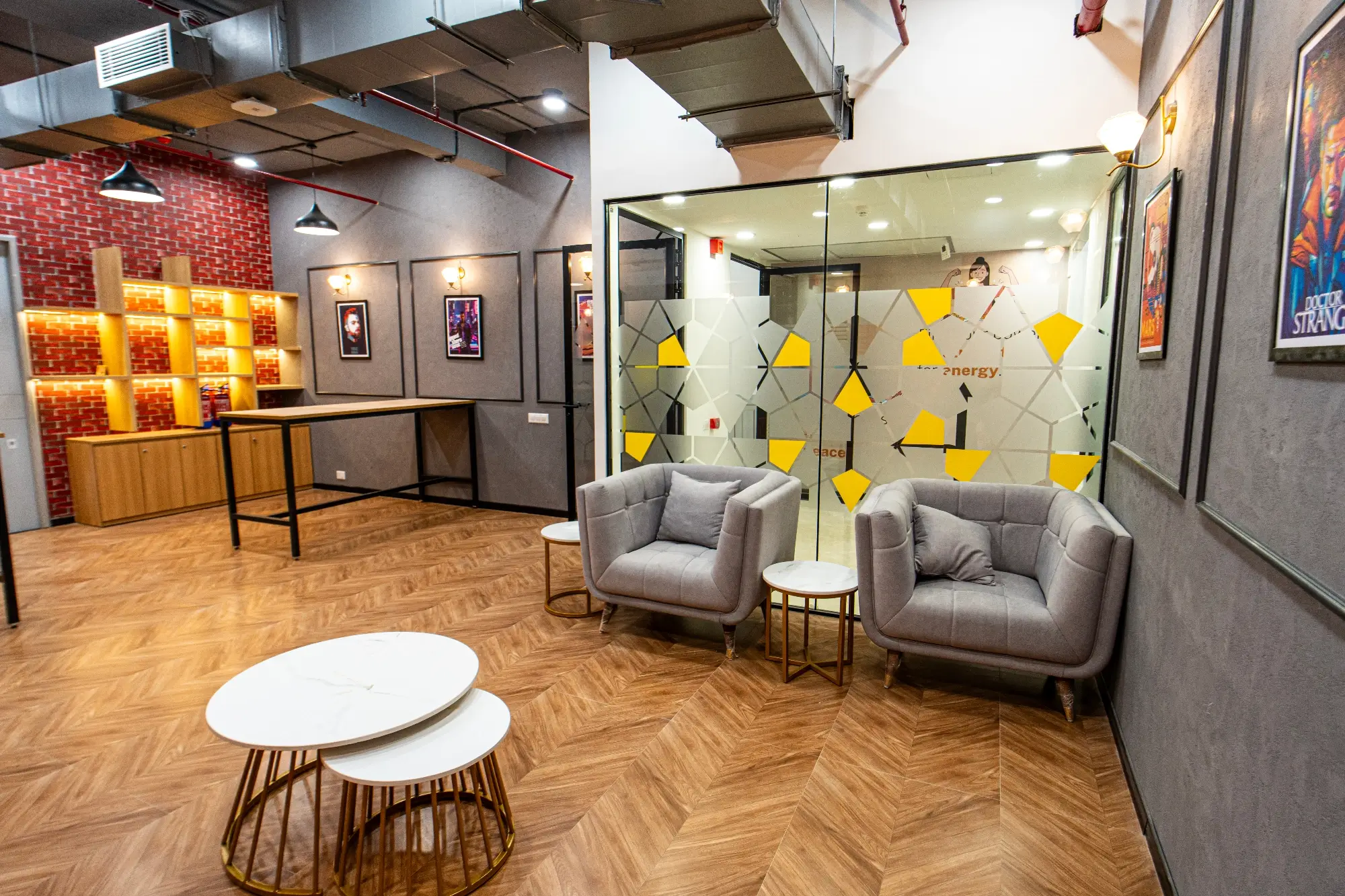
Start with attendance, not headcount. Track two weeks by team: base days vs peak days. Design for a number between the two, then set a seat ratio that fits your culture—often 0.75 to 0.9 in Delhi NCR. Arrange team neighbourhoods so colleagues still find each other, even with hot desks. Keep small rooms near the open floor so short calls don’t block big rooms. Give project rooms that a squad can “own” for 2–3 weeks; momentum improves when work can stay up.
Circulation matters. Aisles must allow two people to pass without chair bump. Keep reception and café away from deep-focus bays. And please give storage a home—IT cupboards, lockers, and a courier landing near reception—so the office stays tidy after month three.
Light, air, and acoustics: the quiet power trio
People don’t say “We stayed because the lux levels were perfect.” They just feel better when eyes don’t hurt, the air doesn’t feel stale, and noise doesn’t leak everywhere. The logic behind the WELL Building Standard is useful here: balanced light, reasonable sound control, and clean air directly support energy and accuracy.
- Light: Neutral ambient light for desks, glare control near screens, task lights where reading or laptop work runs long.
- Air: Plan HVAC for design occupancy, not 100% headcount from an old era. Make meeting rooms, open office, and server zones separately controllable.
- Acoustics: Mix hard and soft surfaces. Use door seals for small rooms. Place phone booths along the “call spine” (sales/support) so people actually use them.
When this trio is right, attendance rises on its own because the office stops draining people.
Ergonomics and movement: comfort that shows up in performance
Delhi NCR teams sit long hours. Bad chairs, shallow worktops, and poor screens become neck and wrist pain by week four, and that’s when attrition starts to spike. Shortlist products that align with the BIFMA standards overview so chairs and desks can handle daily use. If budget is tight, reduce desk count a little—don’t cut chair quality. Add small movement nudges: a couple of standing counters, steps near the café, and layouts that make people walk a bit between zones.
Brand, belonging, and the “I can bring my client here” test
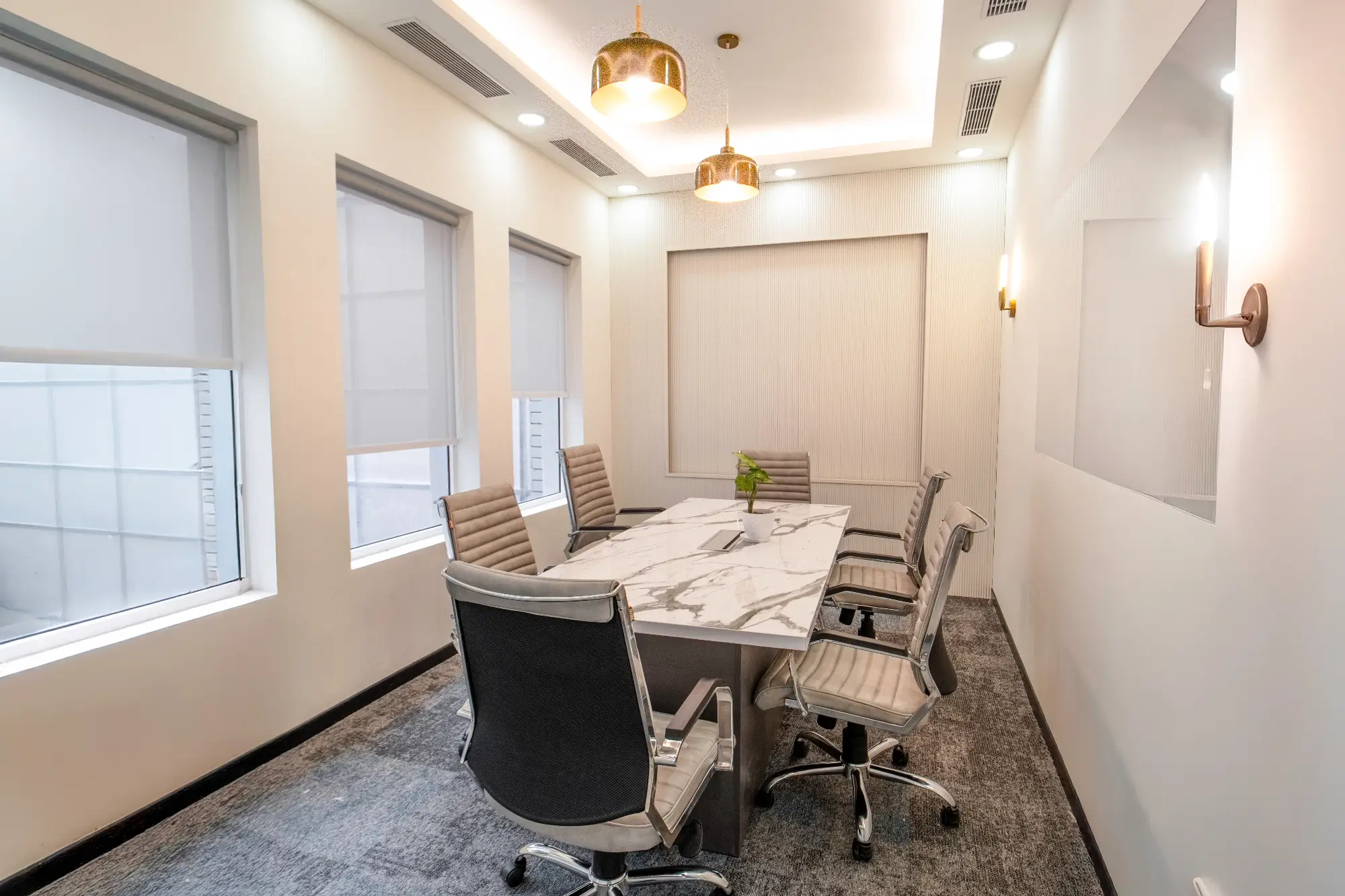
Retention improves when people feel proud of their workplace. Instead of a logo on every wall, choose two or three brand moments that matter: a calm, well-lit reception; one polished client room near the entry; and a café that looks good even at 4 pm. Material choices should match your identity—warm and hospitality-led, or calm and minimal—but keep most of the floor timeless so it ages well. If leaders struggle to “see it,” walk them through built spaces in our gallery of offices and agree the mood in 10 minutes.
Ops makes or breaks the experience
A great plan can feel average without clean operations. Put power where collaboration happens (floor boxes, grommets), label cables, and keep spare adapters in one fixed drawer. Standardise AV across small and mid rooms so people don’t waste 10 minutes figuring out a new setup each time. Lock weekly upkeep routines and a simple helpdesk line. When snags get fixed fast, frustration never piles up.
Cost vs ROI: why comfort beats cosmetic spend
It’s tempting to spend on a dramatic feature wall. The retention payoff comes from acoustics, lighting, chairs, and small rooms. Those are the everyday touchpoints. If you need to defend the budget, pull in simple workplace findings – CBRE research has shown for years that comfort, choice of spaces, and quality assets correlate with better performance and occupancy. Translate that into your plan: more booths, better chairs, friendlier light, and a café that doubles as townhall.
A simple 8-step roadmap for Delhi NCR offices
- Track two weeks of attendance by team; set a design seat number between base and peak.
- Pick a seat ratio (0.75–0.9) and draw team neighbourhoods.
- Shift the meeting mix toward tiny rooms and add 1–2 project rooms per busy bay.
- Plan HVAC zones and fresh air early; set lighting layers to avoid glare.
- Place booths along the call spine; add door seals and ceiling absorption where chatter builds.
- Choose standards-backed chairs and layout cues that nudge movement.
- Fix power and AV where people actually work; keep one kit standard across rooms.
- Run the first 6–8 weeks as a pilot; measure room use, noise complaints, and seat occupancy, then tune once.
Mistakes to avoid (these hurt retention fastest)
- Squeezing seats till aisles feel like aircraft aisles.
- One big boardroom and too few small rooms.
- Treating panels as décor instead of acoustic performance.
- Ignoring storage, then blaming “messy employees.”
- Buying the cheapest chairs and paying twice in year two.
If you want help turning this into drawings and a timeline, it’s easy to contact our team and get a floor-specific plan without jargon.