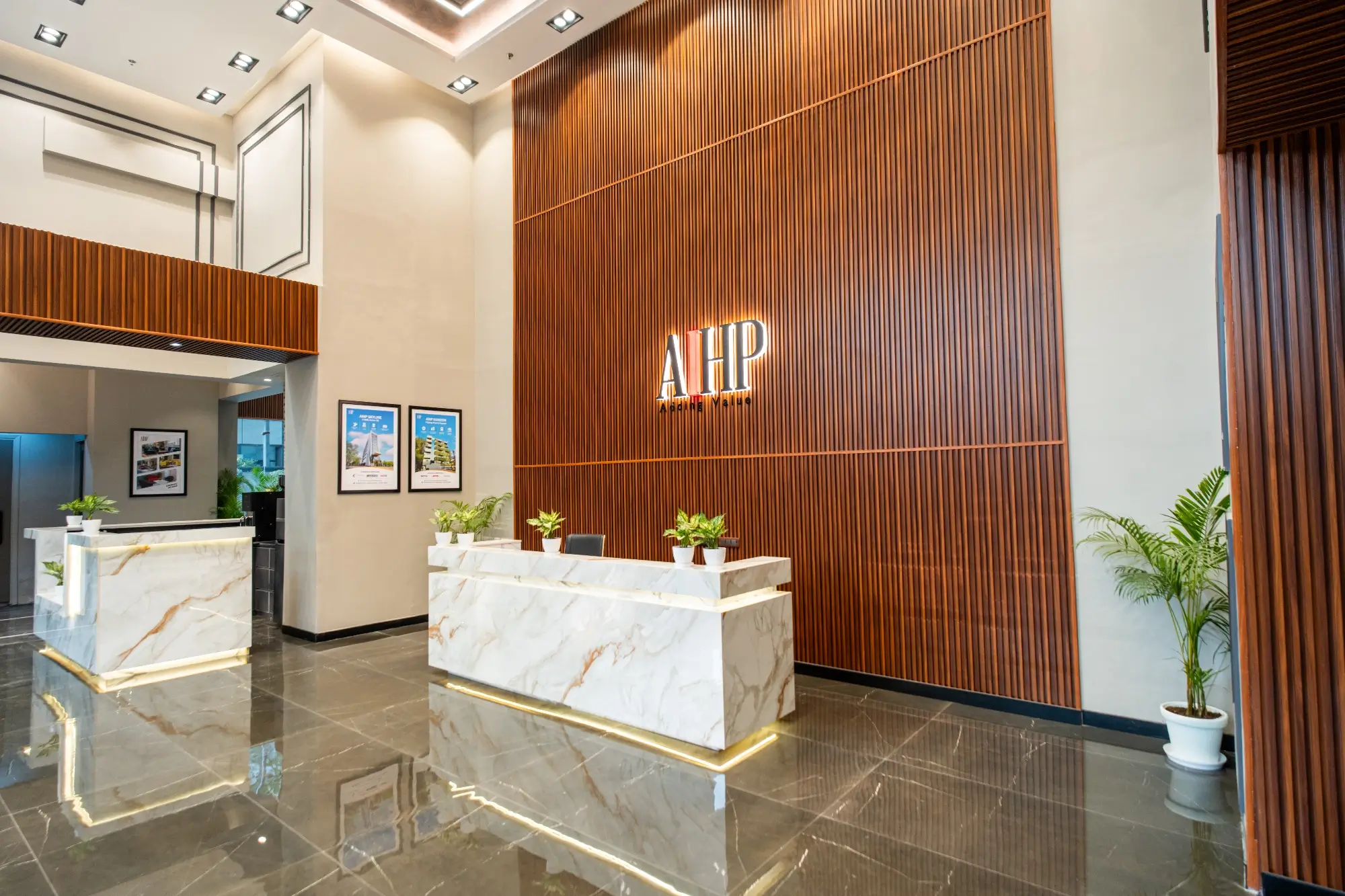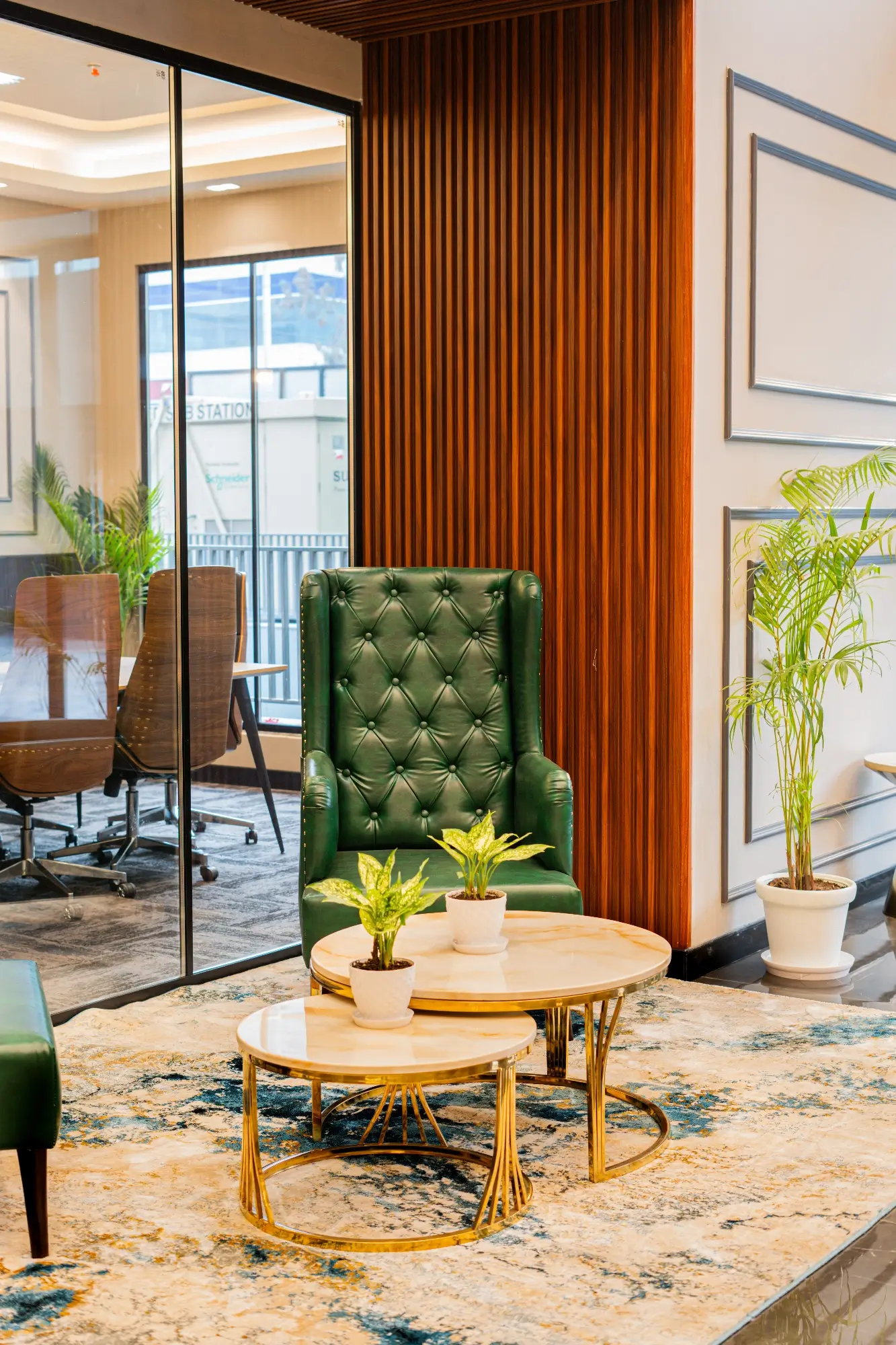
The best offices today feel calm, clear and easy to use. People can see well, breathe well and move without hassle. Wellness is no longer a side project. It sits at the center of layout, materials and daily operations. Frameworks like the WELL Building Standard and research from Harvard Healthy Buildings have pushed this shift from “nice to have” to “must have.”
Here is a straightforward, no-nonsense guide to creating a healthy workplace every day, without creating a clinic out of the office.
1) Start with the building basics
Healthy air, steady temperatures and low noise do more for daily comfort than any gadget. Harvard’s “9 Foundations” list ventilation, air quality, thermal health and noise among the essentials. Treat these like design features, not afterthoughts. If you fix stale air or a noisy bay, stress drops and focus returns. Healthy Buildings
How to apply:
- Increase outside air and keep CO₂ in check.
- Balance hot and cold spots by zone.
- Add sound absorption where people talk the most.
2) Light for eyes and energy
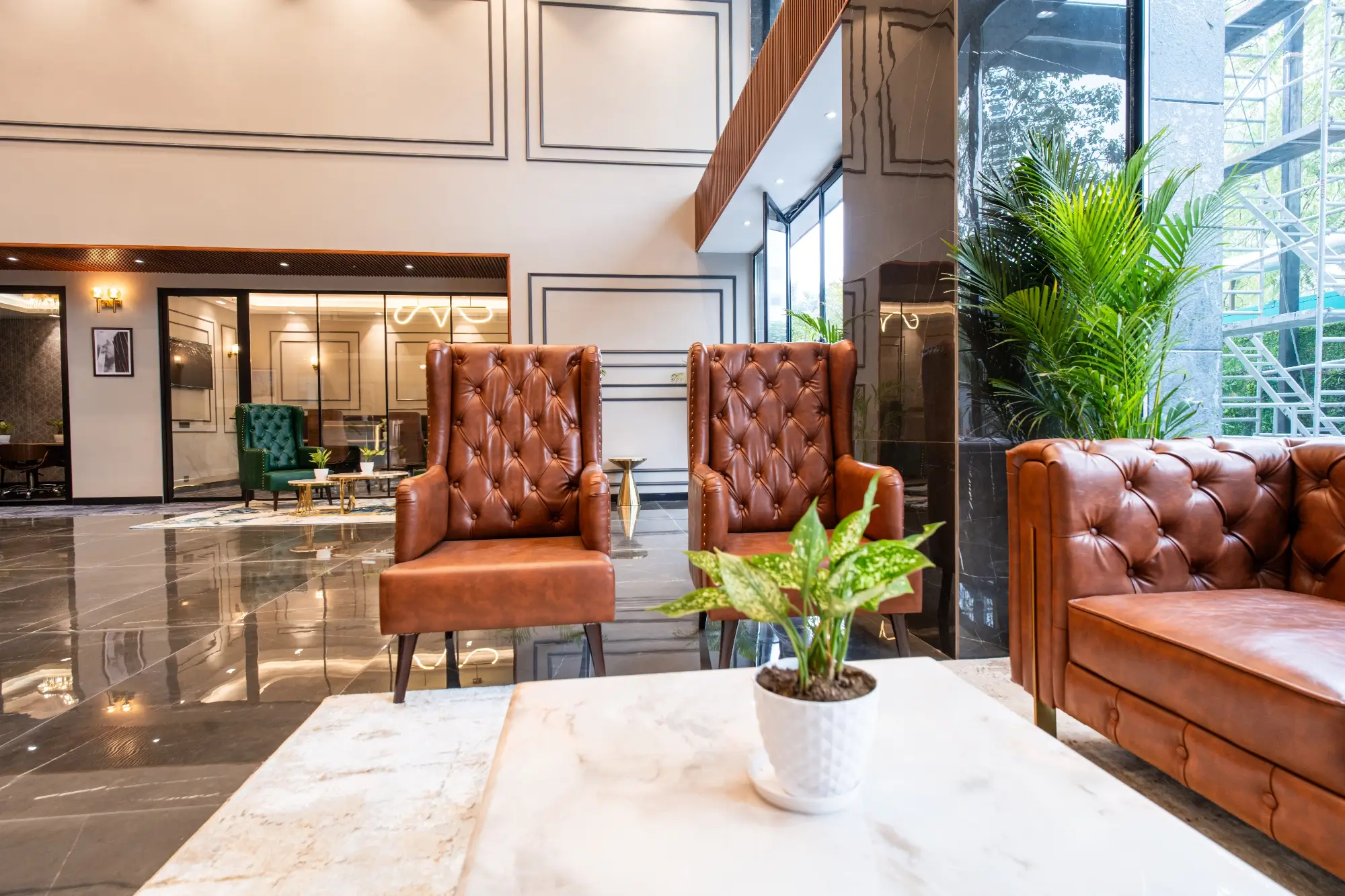
Daylight perks up mood, but glare destroys it. Opt for even lighting at the desk and sit people at right angles to windows. The WELL Light concept offers clear targets for brightness and color temperature so teams stay alert without eye strain.
How to apply:
- Use translucent blinds to soften harsh sun.
- Target roughly 300–500 lux on work surfaces.
- Add task lamps so people can tune their own light.
If you’re planning a broader refresh that includes lighting, space planning, and furniture, explore modern workspace solutions tailored for you to see how these parts come together.
3) Design for movement without chaos
Short walks reset the mind. Plan water, printers and washrooms so trips avoid quiet desks. Add a slim standing counter outside meeting rooms for quick follow-ups. The goal is natural movement that does not slice through focus areas.
4) Give real choice of places to work
People need different settings across the day. Provide quiet desks for deep work, 2–4 person huddles for short discussions and a couple of soft nooks for low-stimulus breaks. When choice is clear, control goes up and stress goes down. The WHO notes that supportive environments can protect mental health and improve productivity.
5) Make acoustics a first-week fix
Echo and chatter raise tension fast. You can lower noise with felt panels on one wall in each meeting room, a rug under the busiest table and a few baffles over high-traffic aisles. Move printers and bins away from focus rows. Simple materials, placed well, change the feel of a floor. For ideas you can plug into existing rooms, browse curated workspace designs for productivity
6) Keep materials clean and low-irritant
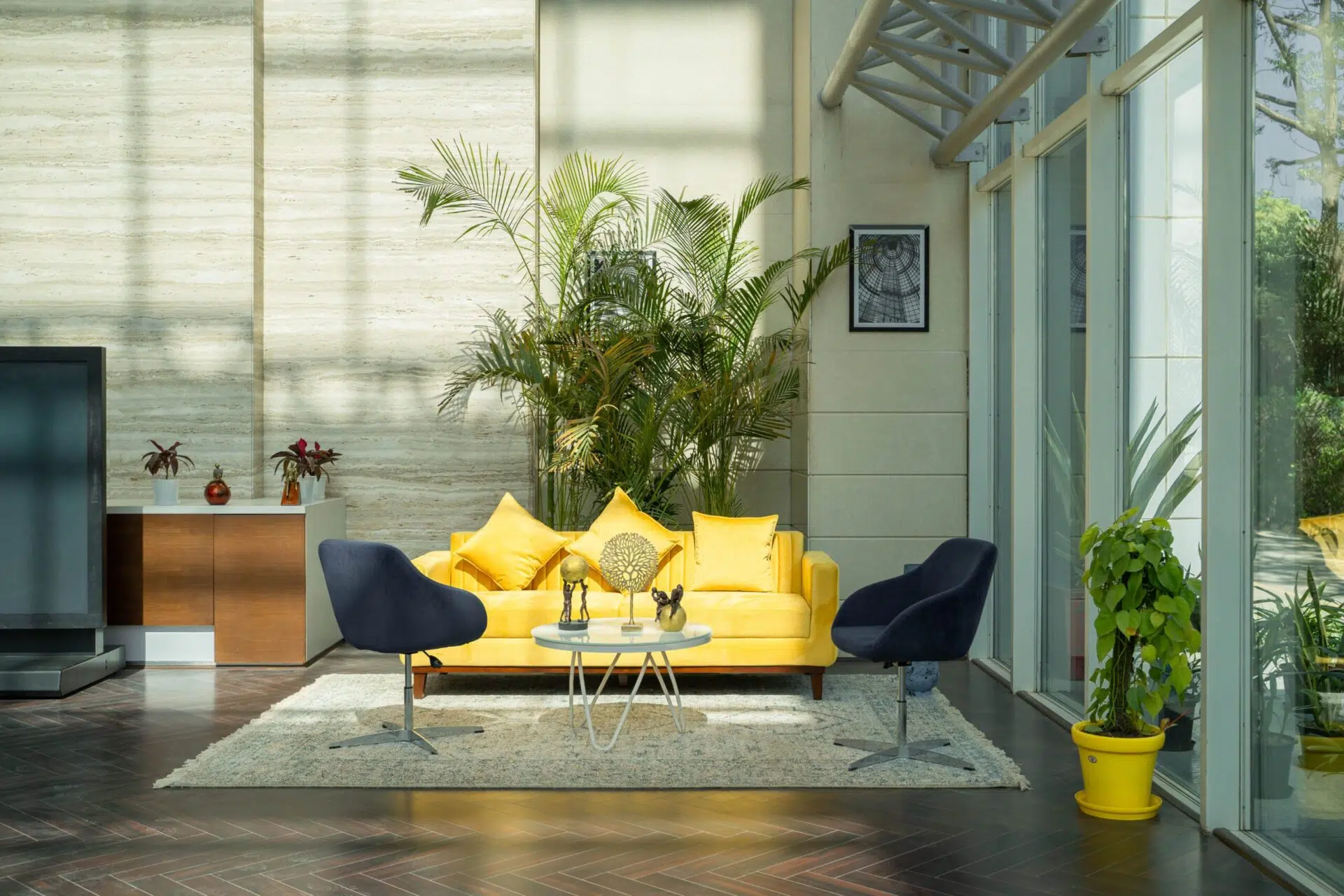
Low-VOC paints, simple-clean fabrics and recycled PET acoustic panels minimize odors and allergens while withstanding heavy use. Combine them with matte finishes to reduce glare. It is the small sensory details that make a space feel healthy.
7) Build gentle cues for recovery
A tiny calm room, a window seat that faces trees or a quiet corner with two armchairs gives people a place to reset. These spaces do not need a big footprint. They do need a door that closes or a visual buffer so the brain can settle.
8) Use policy to support the plan
Manager training, simple mental-health resources and fair workload norms make the design work harder. WHO guidance points to organizational steps like these as core to protecting mental health at work.
9) Measure, tune, repeat
Healthy offices are iterative. Track noise complaints, time to find a room and a quick weekly rating for focus and energy. If numbers stall, revisit the basics: air, light, noise and circulation. When you’re ready for a phased plan tailored to your team and lease, contact our experts for workspace planning.
A 30-day wellness sprint
- Week 1: Fix the worst glare and move traffic magnets away from quiet desks.
- Week 2: Add rugs and four to six acoustic panels where people talk.
- Week 3: Convert one large room into two huddles and a phone/focus booth.
Week 4: Balance airflow in hot, cold and stuffy zones; run a five-question pulse and adjust.
Conclusion
Wellness-driven offices aren’t slogans. They are about the air you breathe, the light on your desk, the sound around your seat and the options you have throughout the day. When those components function, people perform better and feel healthier. Start with the basics, add small recovery cues and keep tuning. The payback shows up quickly in calmer days and clearer work.