Introduction – Why 2025 Was a Pivotal Year for Workplace Design
If 2020–2024 were about reacting, 2025 was about refining. Offices across Delhi NCR, Bengaluru, Mumbai and beyond stopped experimenting for experiment’s sake and started choosing what actually works. The big picture: hybrid routines settled, small rooms beat grand boardrooms, acoustics and wellness moved to the front, and build cycles got faster. Below are ten lessons from projects and post-occupancy reviews that will shape how we plan spaces in 2026.
1 – Hybrid-friendly layouts became the new normal
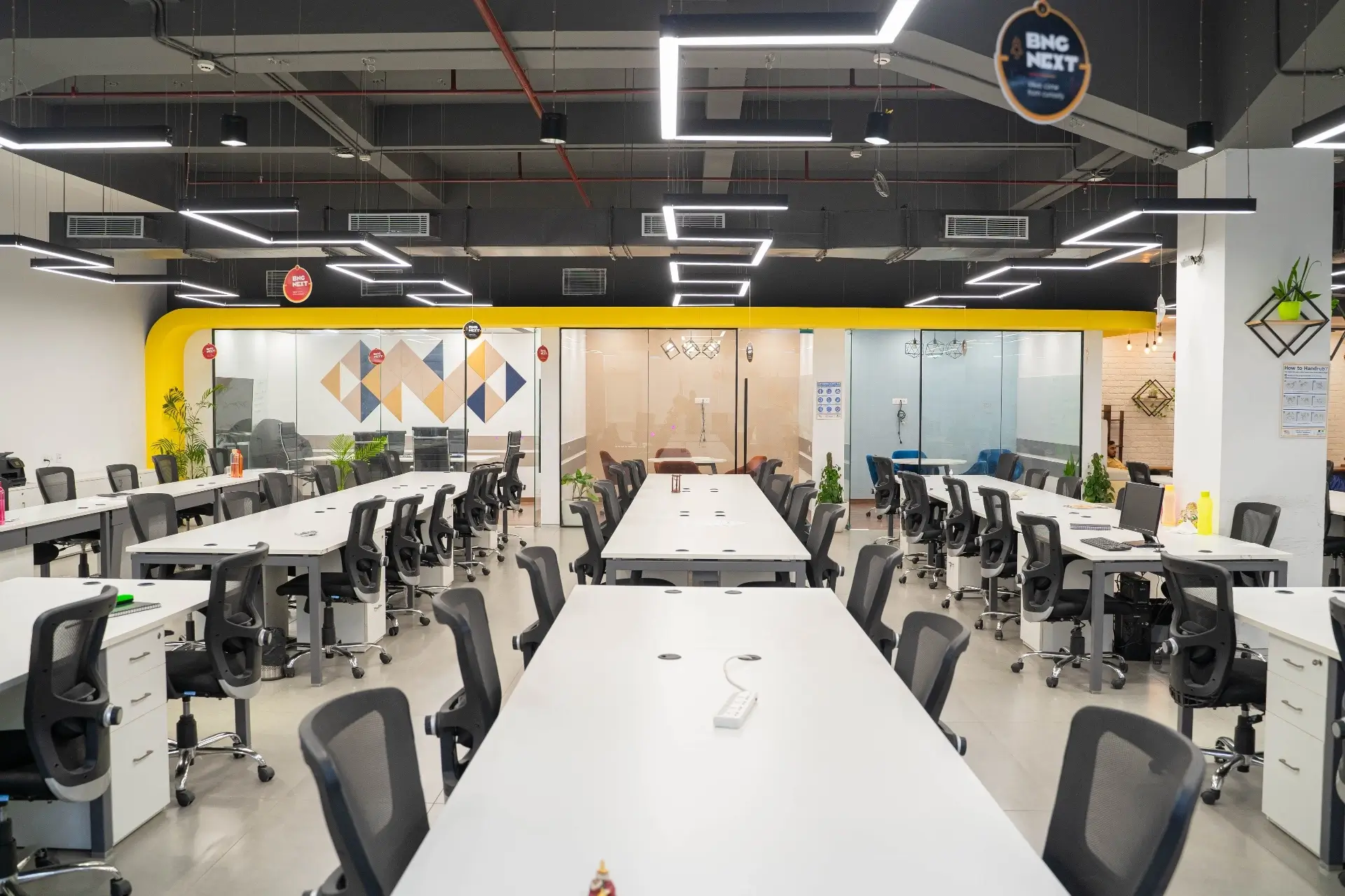
Most teams now split time between home and office. Floors that worked best used “neighborhoods” instead of single-use bays. Each neighborhood bundled a few focus desks, one huddle for two to four people, a phone or focus booth, and a casual perch. Movement felt natural, meetings started on time, and noise was easier to manage.
If you want this thinking baked into a plan with lighting, seating, and tech, explore modern workspace solutions tailored for you.
2 – Acoustic performance became non-negotiable
Noise complaints dropped sharply when companies treated acoustics like ergonomics. The winning mix was simple: one soft surface per meeting room, a rug under the loudest collaboration table, PET felt on at least one wall, and printers moved away from quiet rows. Teams reported clearer calls and calmer afternoons.
3 – Employees wanted personal space back
People asked for a small bubble that felt like theirs even on shared desks. Rounded desk edges, monitor arms, modest privacy screens, and smarter cable trays did the trick. Where space was tight, two shared sit-stand stations per neighborhood and one locker column per ten people kept life orderly without eating area.
4 – Biophilic Design 2.0 gained ground
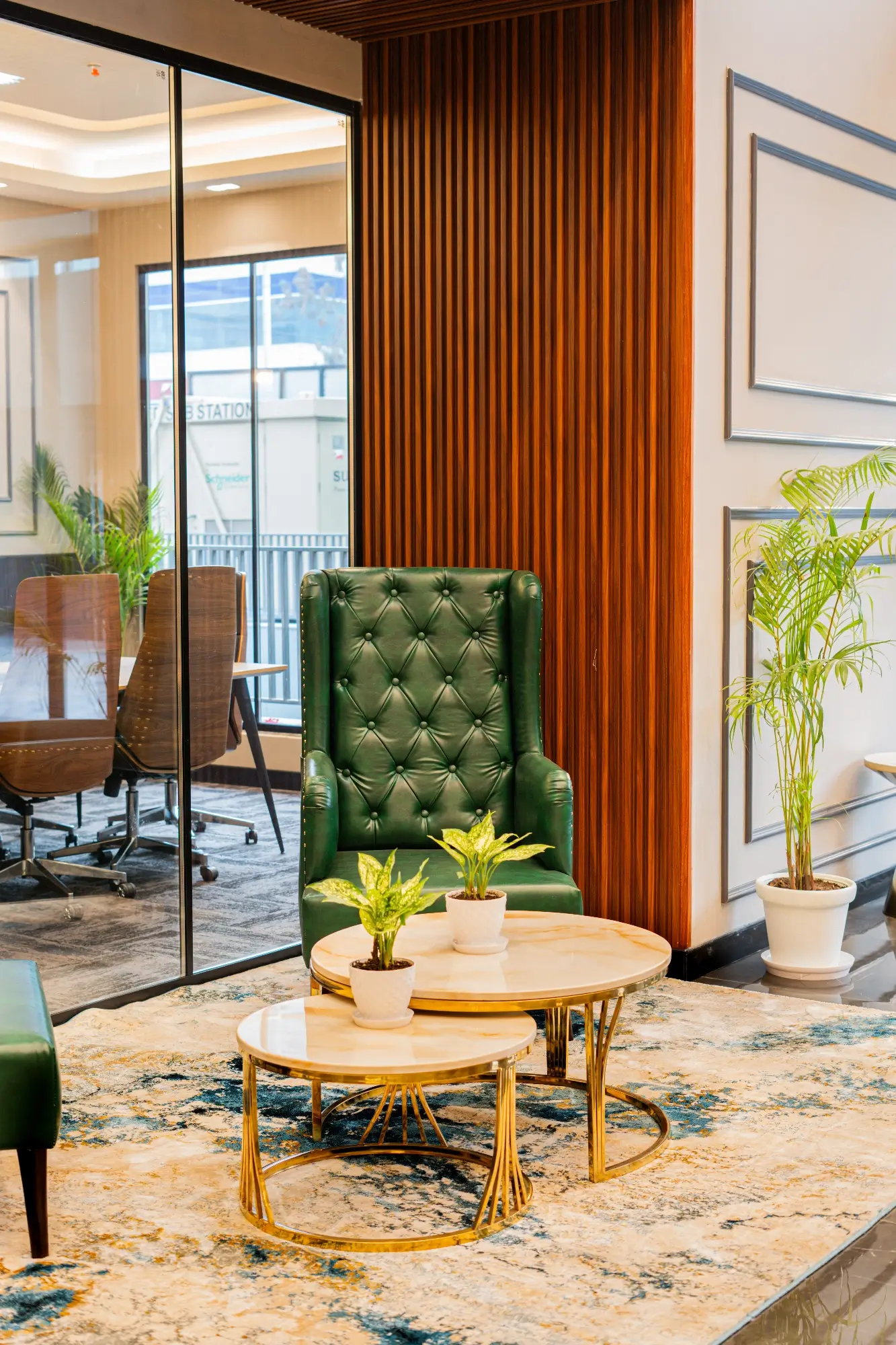
Greenery is no longer just pots in corners. 2025 saw larger leaf plants placed to catch the eye after long screen sessions, timber accents on touch points, and earth-toned palettes in high-strain zones. The result was lower visual fatigue and better mood. For science-backed design moves that link light, air, and comfort, the WELL Building Standard remained a useful reference.
5 – AI-driven workspace planning entered mainstream
Instead of guessing, teams used booking logs, badge-in data, and sensors to rightsize rooms and rebalance seating. Generative tools produced multiple layout options that met headcount, daylight, and adjacency rules, so decisions came faster with fewer revisions. For a broad view on how AI and hybrid patterns shape daily work, Microsoft’s New Future of Work is a helpful overview.
6 – Collaborative spaces were overbuilt, then corrected
Many offices opened with too many lounges and too few huddles. By mid-2025, the fix was clear. Split one oversized room into two small rooms and add a single-person booth. Use glass with proper seals and a privacy band at eye level so conversations feel contained. Utilization rose, and the open area felt less chaotic. The Leesman Index continues to show that task–space fit is a strong driver of employee experience.
7 – Modular and multifunctional furniture rose
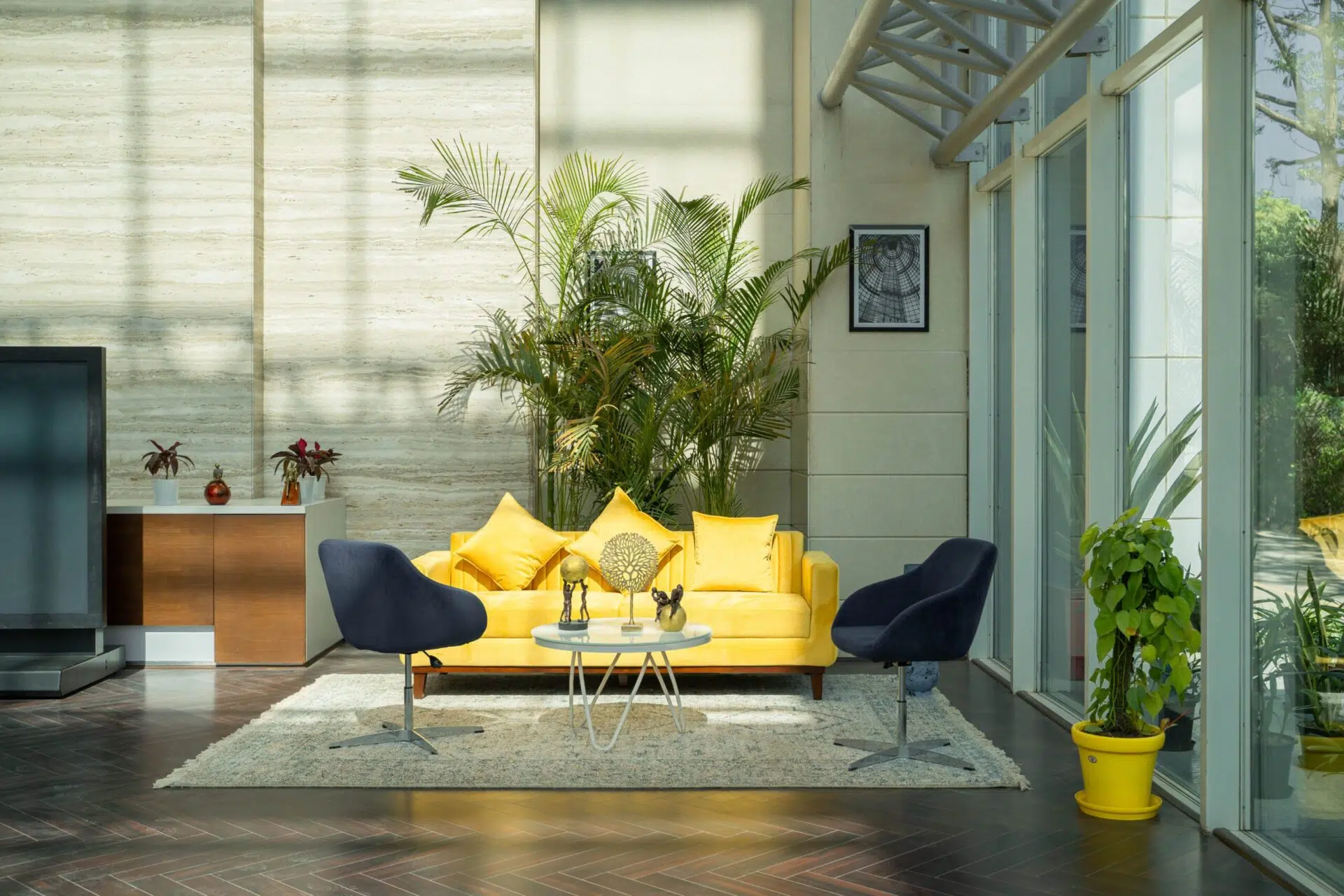
Flip-top tables, nesting chairs, and mobile whiteboards turned one bay into three use cases in a day. Teams valued furniture that two people could reconfigure in minutes, with built-in power so no one hunted for sockets. Screens stayed stable when casters locked well and frames were solid. For pre-curated kits that balance flexibility and comfort, browse curated workspace designs for productivity.
8 – Wellness rooms became standard
A small calm room made a big difference. Prayer, nursing, telehealth, or simply ten minutes to reset. Add soft light, a door that closes, and clear booking rules. Pair this with better air and balanced temperatures, and people simply felt better by late afternoon.
9 – Sustainability drove material choices
Low-VOC paints, PET felt from recycled bottles, FSC timber, and solution-dyed upholstery became default asks. Companies moved toward repairable furniture with spare parts and take-back options. The mindset shifted from “green label” to “clean chemistry, circular materials, and long service life.”
10 – Companies wanted faster build cycles
Speed did not mean cutting quality. Integrated design-build, early procurement of long-lead items, and standardised detail libraries cut weeks from schedules. Phased upgrades over two or three weekends kept floors live while delivering quick wins: acoustics first, glare fixes next, then room rightsizing.
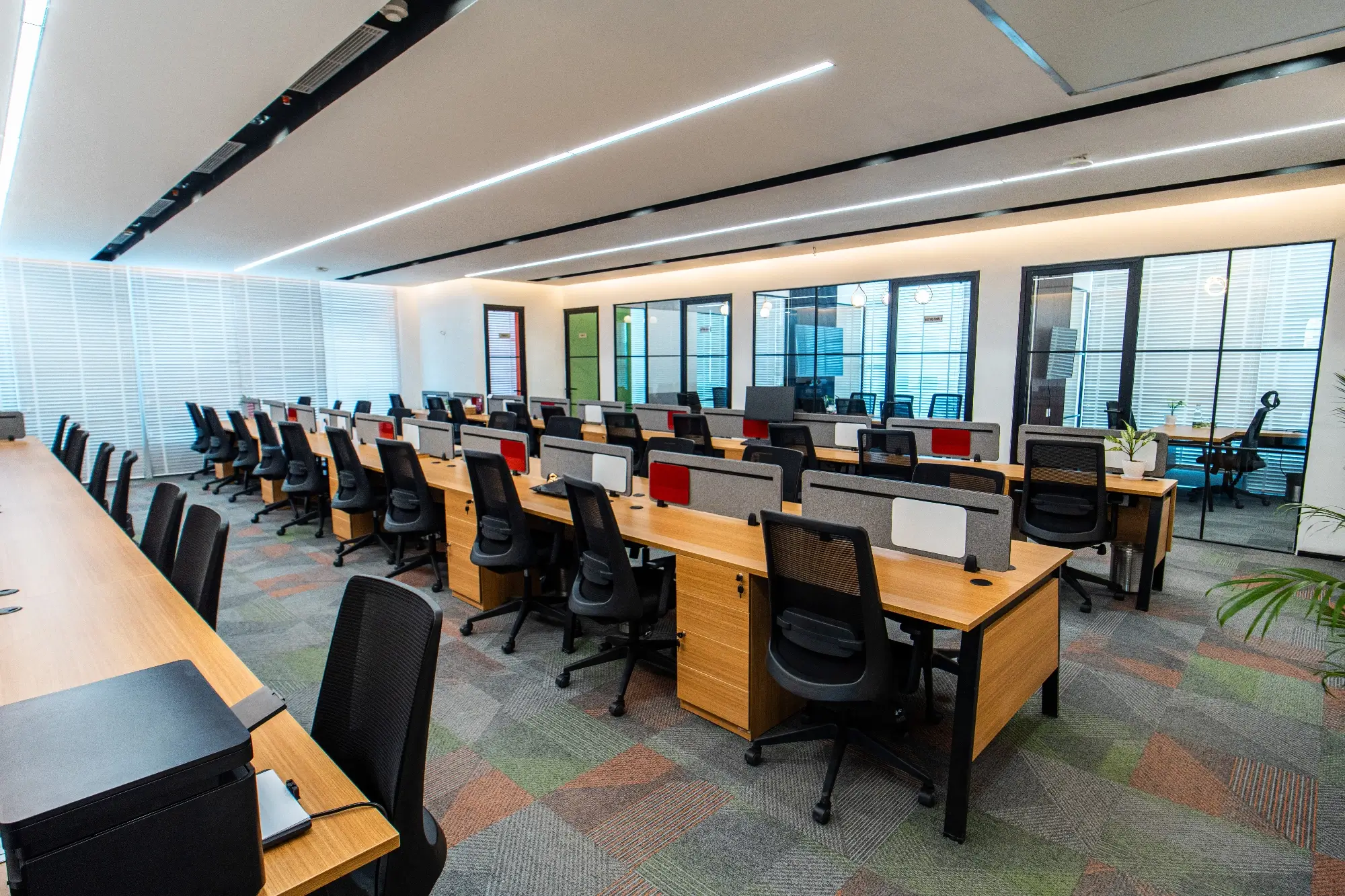
What these lessons mean for 2026
2026 will reward offices that are flexible, calm, and easy to run. Here is how to apply the 2025 playbook:
- Plan in neighborhoods. Every 30 people get two huddles and one phone or focus booth.
- Treat acoustics early. One soft wall per meeting room, rugs where people actually talk, and printers off the quiet spine.
- Give personal space back. Monitor arms, cable hygiene, lockers, and a couple of sit-stand stations per neighborhood.
- Link colour, light, and planting. Keep backgrounds calm, use matte finishes near screens, and place plants where eyes land after long tasks.
- Use data to rightsize. Check which rooms sit empty and which are overbooked. Adjust counts based on facts, not hunches.
- Phase for momentum. Fix the worst noise and glare in Week 1. Split one big room in Week 2. Tune air and booking rules in Week 3. Repeat.
If you want a phased roadmap tied to your floor plate and lease, Contact our experts for workspace planning. We will turn these lessons into a zone-by-zone plan you can execute without downtime.