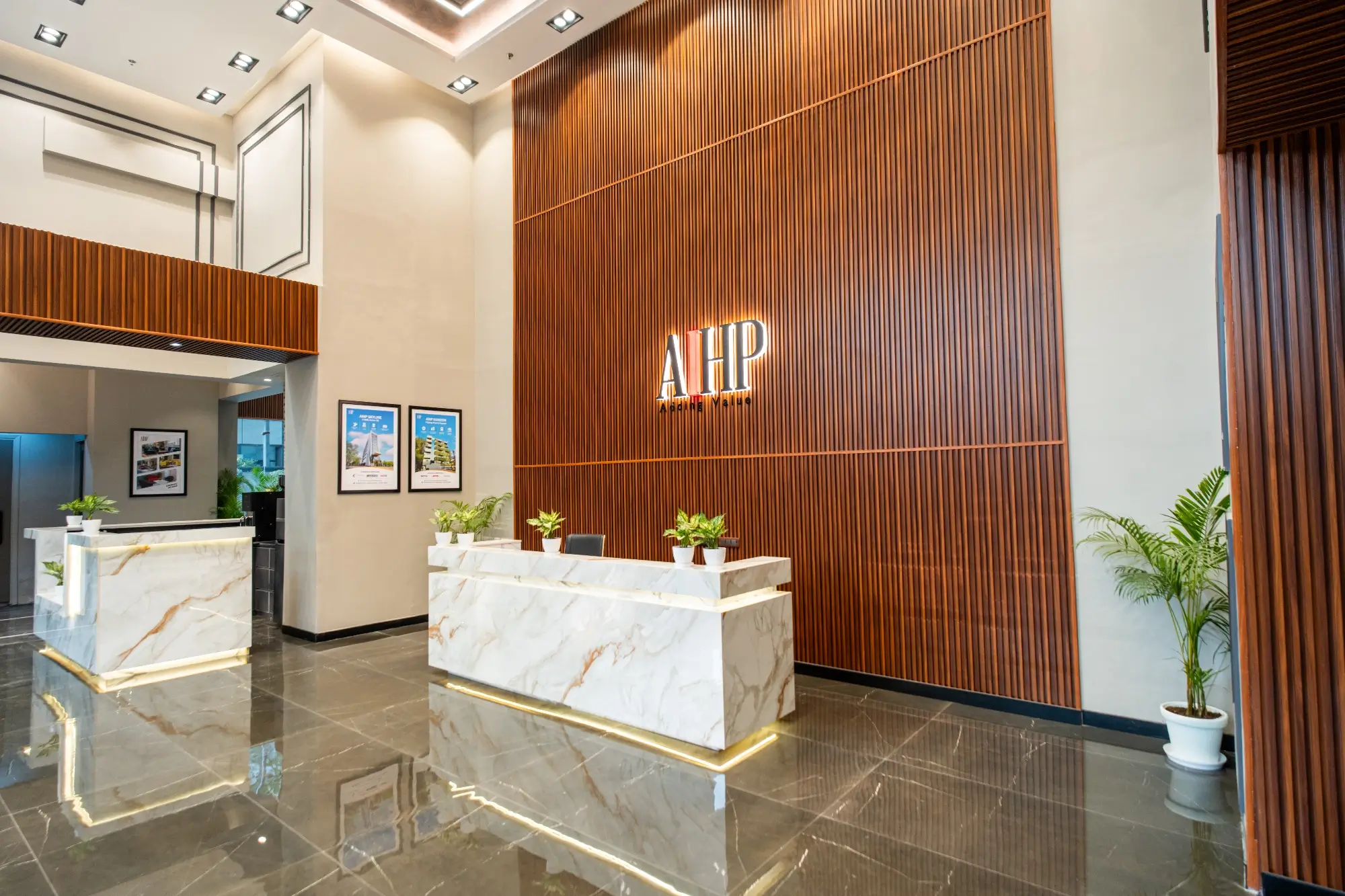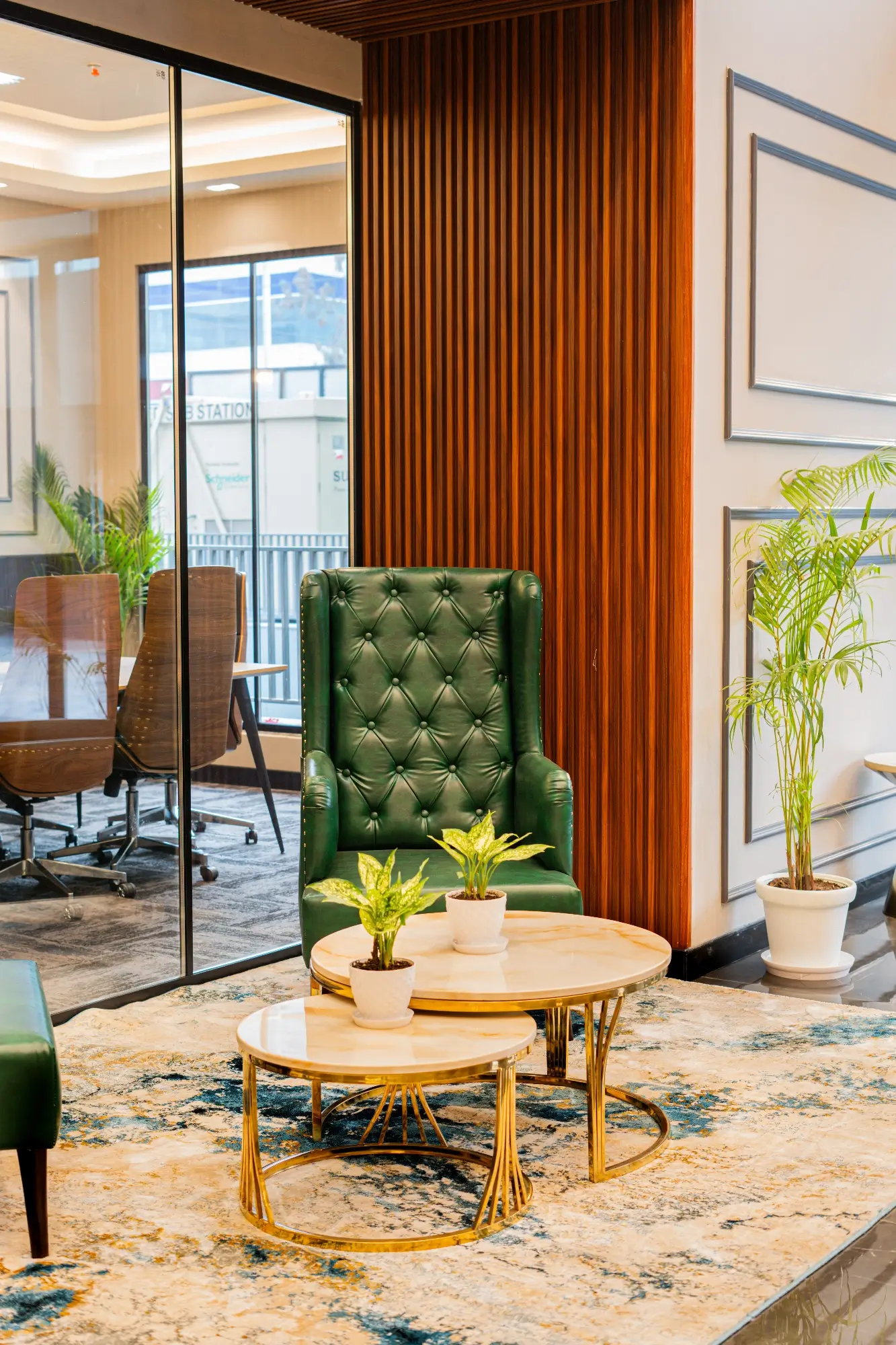
Cookie-cutter offices look fine on Day 1. Clean reception, same glass cabins, same workstations, same ceiling grid, same “we are modern” vibe. But after 6–12 months, most teams start feeling the gaps. Meeting rooms are always full, calls spill into open areas, storage becomes a problem, and somehow the office still feels “busy” even when attendance is not 100%.
Custom interiors don’t mean “expensive interiors.” It means the office is planned around your real work, your real people, and your real constraints. And that’s why, long term, custom wins. Less friction every day. Fewer fixes later. Better retention. Better brand experience. And most importantly, you don’t keep paying for rework.
If you’re exploring this for your own space, you’ll see the difference quickly when you start from work modes through our office interior design services rather than jumping straight to finishes and furniture.
Cookie-cutter offices fail for one simple reason: they’re designed for “average”
A generic layout is designed for an imaginary company. Not yours. It assumes:
- everyone works the same way
- every team needs the same level of privacy
- meetings are predictable
- calls are “not that many”
- storage is “minimal”
- headcount won’t change much
But in Indian offices, reality is different. Hybrid creates peak days. Sales teams take calls back-to-back. HR needs privacy. Finance needs quiet. Tech needs focus and project rooms. And leadership needs spaces that can switch from internal reviews to client meetings without drama.
A custom office starts with “how your team works” and then shapes the plan around that. The difference feels small on paper, but in daily life, it becomes huge.
The long-run advantage is not aesthetics. It’s total cost of ownership.
When people say “custom is costly,” they’re usually thinking of upfront spend. But the real cost is over 3–7 years.
Cookie-cutter typically creates hidden costs like:
- redoing meeting rooms because you underestimated small rooms
- adding phone booths later (usually at a higher price, and messy)
- fixing lighting glare because screens are uncomfortable
- patchwork acoustics because the office sounds like a call center
- buying extra storage because nobody planned it
- productivity loss because people waste time hunting for space
Custom planning reduces these “second spending cycles.” You spend smarter once, and you stop bleeding money every year on patches.
1) Custom fits your work modes, not just your headcount
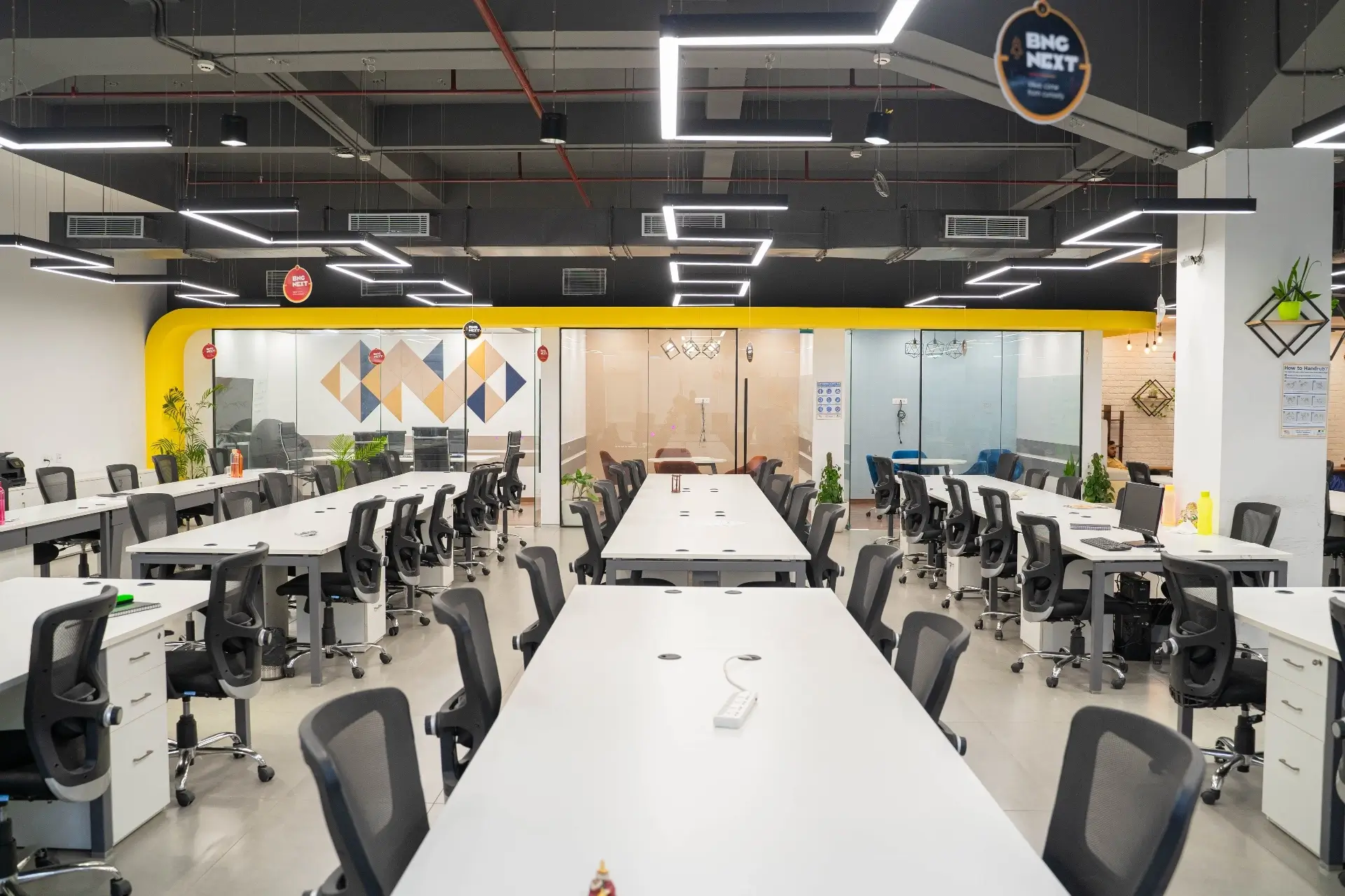
Headcount-based planning is the most common mistake. It gives you a neat seating plan but a weak office.
Custom interiors start with work modes:
- deep focus work
- collaboration and team reviews
- quick huddles
- calls and video meetings
- client meetings
- social reset and breaks
Once you map these, the layout becomes logical. You don’t overbuild boardrooms. You don’t underbuild booths. You don’t put noisy teams beside quiet teams. And you don’t treat “open plan” as the default answer.
If you want a quick internal alignment tool for this stage, many teams use a simple checklist like 10 Elements of a Well-Designed Office Building before locking layouts, so the basics like storage, circulation, daylight, and zoning don’t get missed.
2) Custom improves productivity in small, boring ways (which are the best ways)
The best productivity improvements are not dramatic. They’re the “office just works” type.
In custom offices, you’ll see:
- fewer interruptions because focus zones are actually protected
- better meeting discipline because small rooms exist in the right count
- fewer “where is the cable / charger” moments because power is placed where people work
- smoother movement because circulation is planned, not leftover space
- less daily mess because storage is real, not imaginary
These things don’t look like design trends. But they save time daily. And daily savings compound.
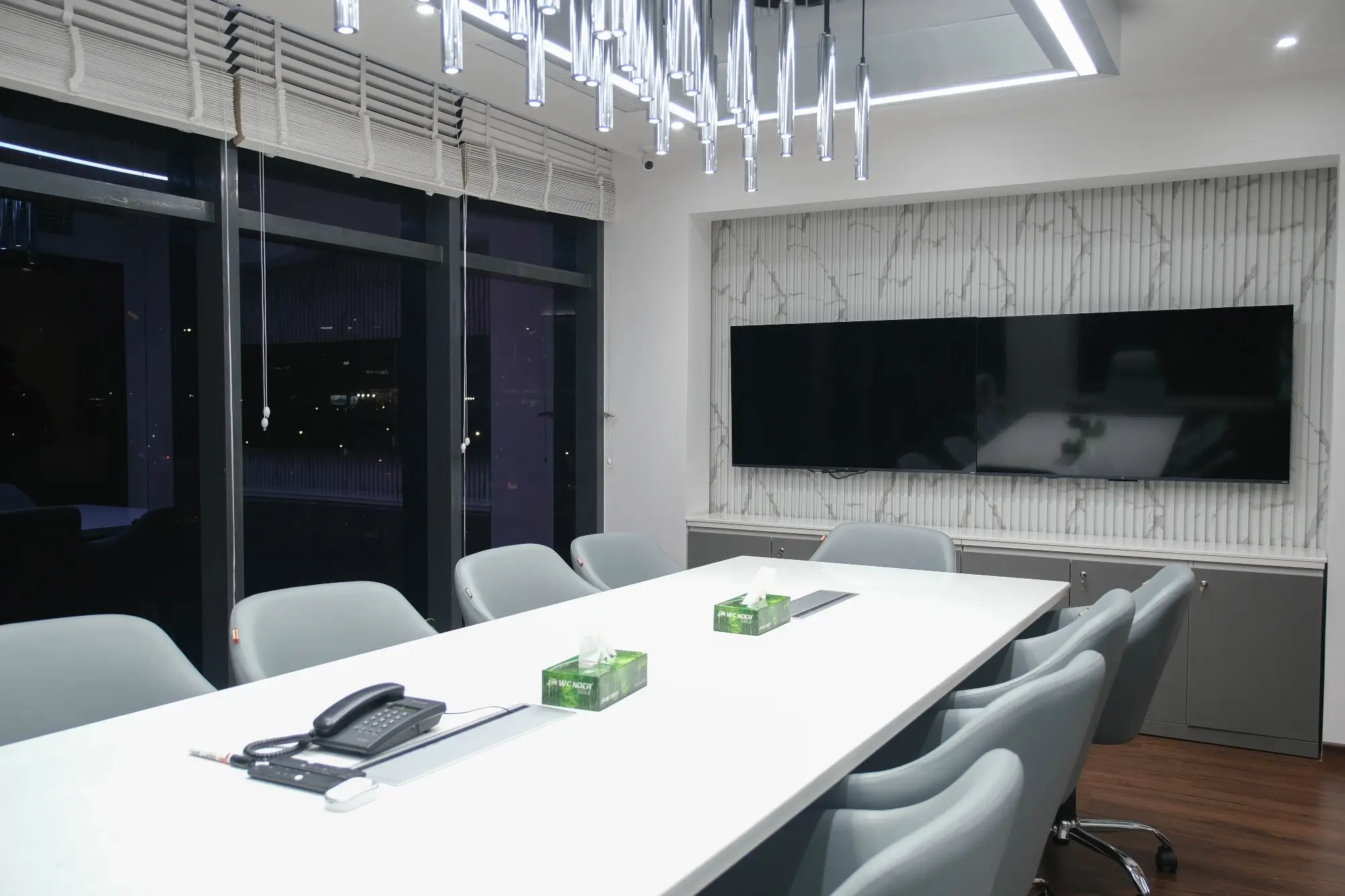
3) Custom solves the meeting room problem properly
Most cookie-cutter layouts give you:
- one big boardroom
- one mid-size room
- and that’s it
Then everyone books the big room for a 15-minute call because there is no alternative. Chaos.
Custom planning usually shifts the mix to what teams actually need:
- more 2–4 seat rooms
- more phone booths near call-heavy zones
- one training/townhall flexible space if needed
- fewer oversized rooms that sit empty
This one change alone can improve the “office experience” more than any fancy lobby.
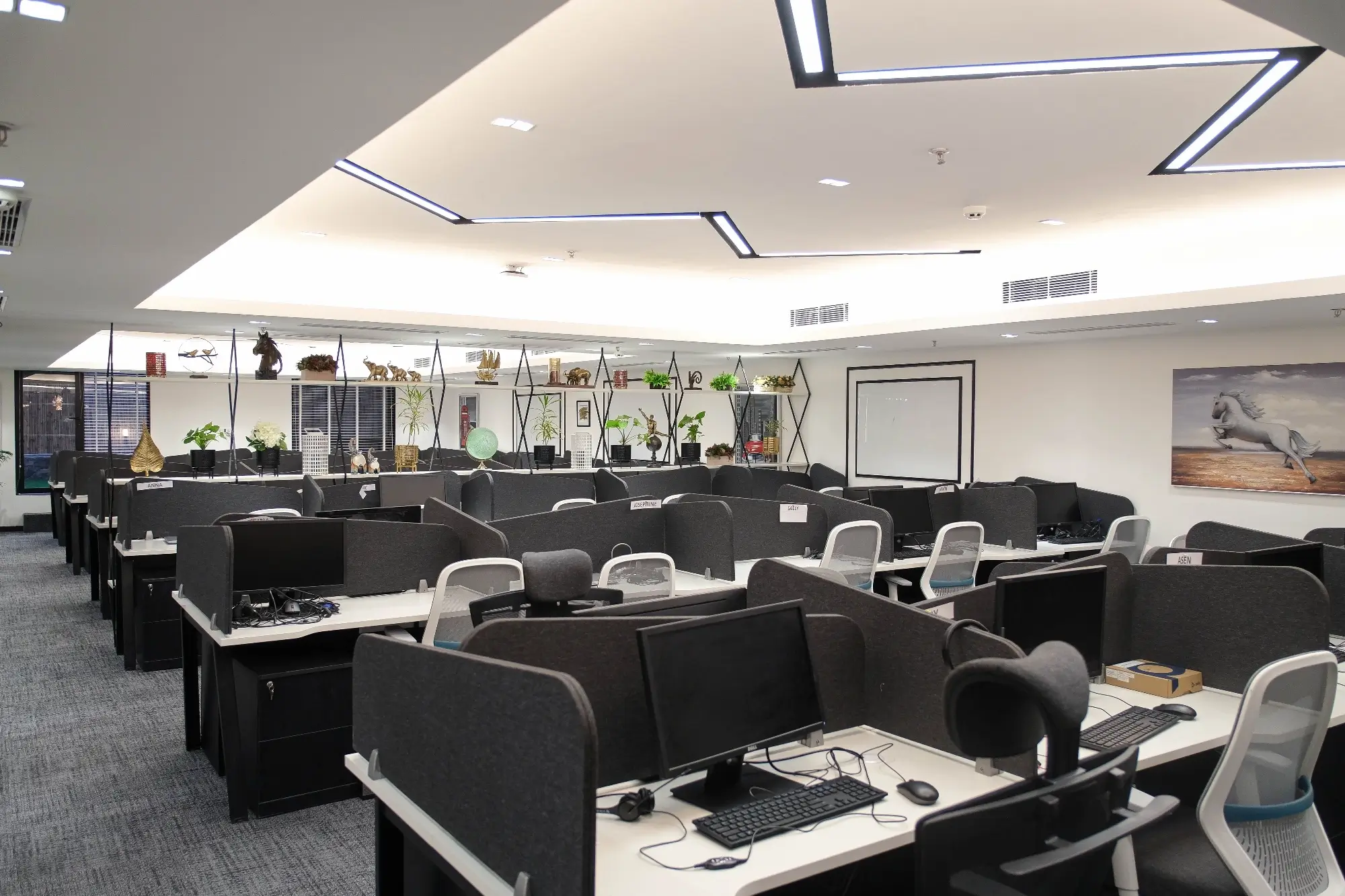
4) Custom gets acoustics right (and that affects retention, not just comfort)
Noise is one of the fastest ways an office becomes tiring. People won’t always complain, but they’ll quietly avoid coming in. Or they’ll sit with headphones all day, which isn’t exactly healthy.
Custom interiors handle acoustics through planning first:
- keeping noisy functions near a collaboration spine
- pushing deep work bays away from pantry/reception
- placing booths where calls actually start
- adding soft absorption in the right locations
Standards like the WELL Building Standard put a lot of emphasis on sound, light, and air because they directly impact fatigue and focus. You don’t need certification, but the thinking is correct.
Cookie-cutter acoustics usually becomes “add panels later,” which is like treating the symptom, not the root.
5) Custom makes your brand feel real, not pasted on
A generic office can still have your logo. But it won’t feel like your brand.
Custom branding is not about printing brand colours everywhere. It’s about creating a few moments that people remember:
- a reception that feels calm and confident
- a client room that looks polished at any time of day
- a café/community zone that feels warm and human
- subtle brand cues in materials, lighting, and graphics
This matters because your office is also a talent and client tool. People decide “how serious this company is” within minutes of walking in. If you want to see how brand expression can still look clean and not loud, you can take references from our workspace gallery and share the style direction with your leadership.
6) Custom is easier to scale (because growth is never linear)
Cookie-cutter planning assumes stable headcount. But most growing companies in Delhi NCR don’t grow in a straight line. They jump. A new department comes. A sales pod doubles. A new leadership layer is added. Hybrid patterns change.
Custom interiors plan for this with:
- flexible zones that can absorb growth without demolition
- modular meeting rooms or demountable partitions in selected areas
- extra electrical/data capacity so you’re not opening ceilings later
- storage strategies that expand easily
So instead of a “full redesign” in 18 months, you do small tweaks and the office stays stable.
7) Custom reduces maintenance headaches (and maintenance is where money leaks)
Owners and admins know this pain: the office looks good, but small things keep failing.
Common cookie-cutter issues:
- lighting drivers failing because wrong specs used
- loose hardware, weak joinery, cheap laminates chipping
- chairs breaking early
- meeting room AV becoming a daily fight
- poor access panels so every fix becomes messy
Custom interiors usually have better detailing and better component selection because the team is designing for your use case and expected wear.
For furniture durability, it’s smart to shortlist products aligned with the BIFMA standards overview so the chairs and workstations hold up to daily Indian office usage. Otherwise you end up repurchasing, which is the worst kind of “saving.”
8) Custom improves retention because the office stops draining people
Retention is not only salary and growth. Daily fatigue matters. Commute is already heavy in Delhi NCR. If the office also feels noisy, cramped, or uncomfortable, people will choose remote days more and more. And they’ll start taking calls from recruiters because the emotional attachment reduces.
Custom interiors help retention by making the office feel:
- easier to work in (focus + meeting availability)
- healthier to sit in (light, air, acoustics)
- more “ours” (brand and belonging)
- more respectful of different work styles (quiet bays + collaboration zones)
It’s not magic. It’s just basic human comfort done properly.
How to choose “custom” without overcomplicating it
Custom doesn’t mean 200-page documents and endless choices. Keep it simple.
A practical custom brief looks like:
- your teams and work modes (who needs what)
- hybrid attendance pattern (base vs peak days)
- meeting room mix requirement (small rooms heavy usually)
- essential support needs (IT, storage, courier, pantry back-end)
- comfort priorities (noise, glare, fresh air)
- brand moments (2–3 key points)
- budget range and timeline
Then the design partner turns it into test-fits and options, and you decide fast.
When you’re ready, you can Contact us and we’ll help you structure the plan without making it feel too complex or “designy.”