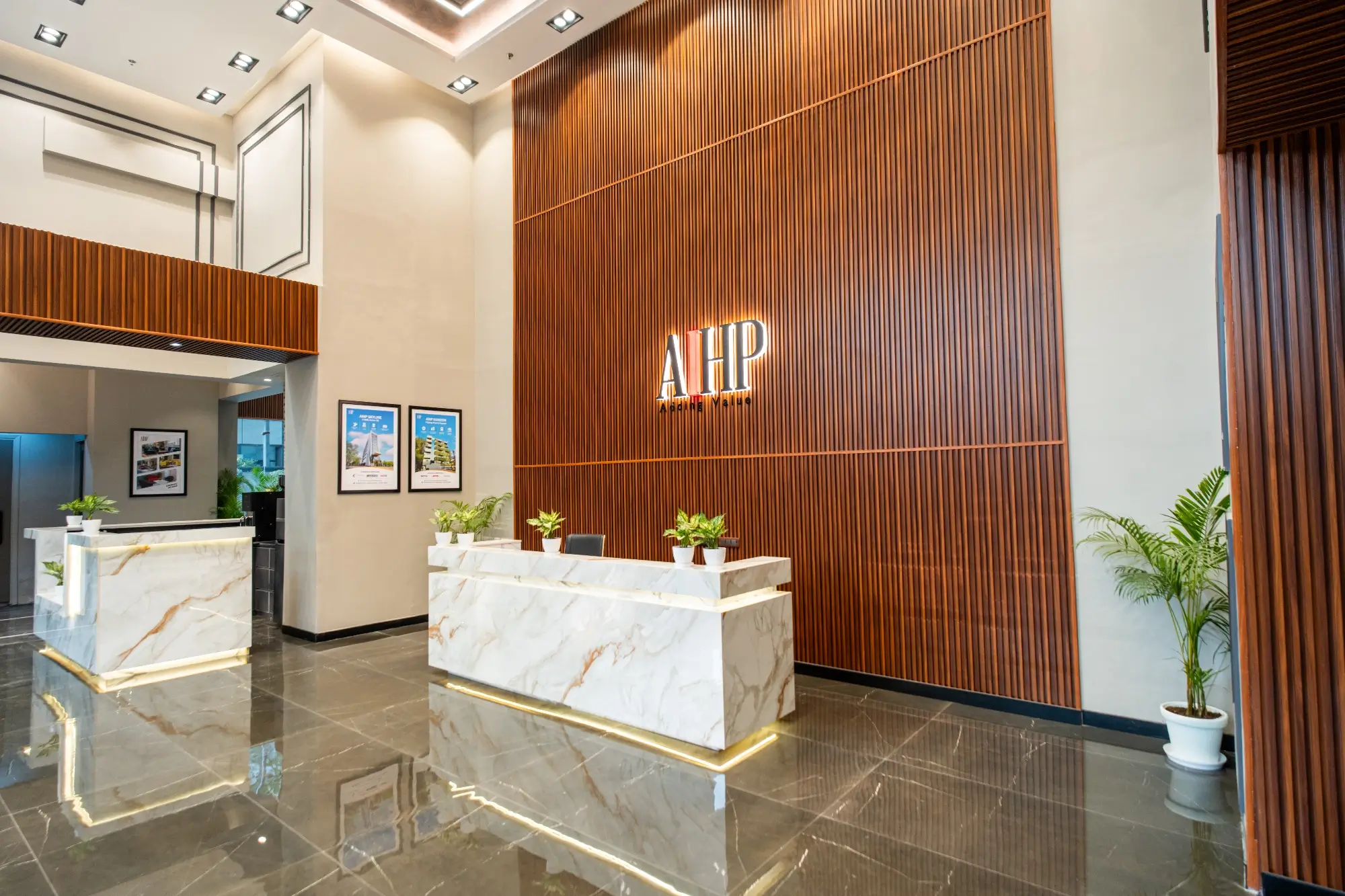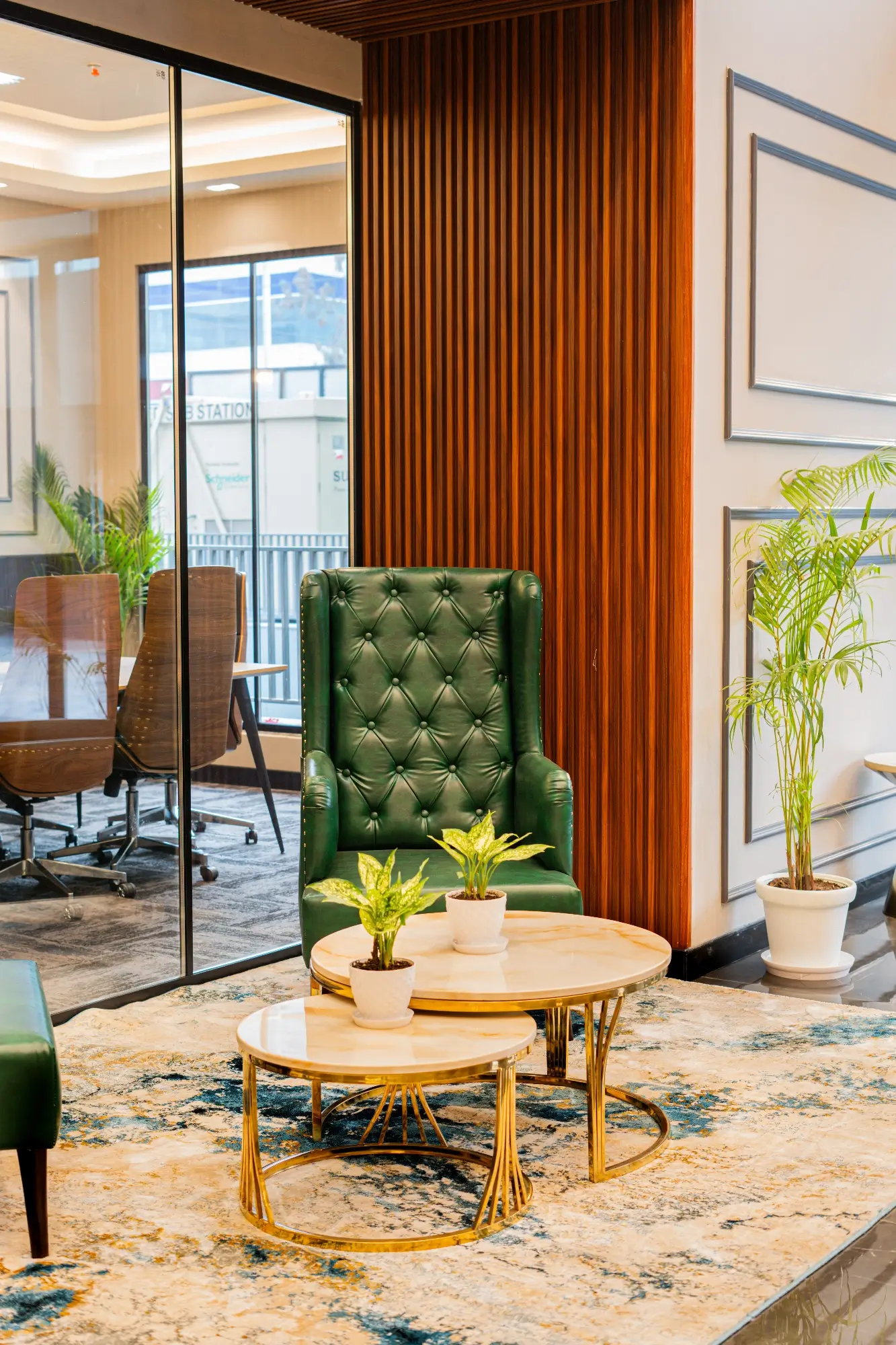
Your office might look perfect. Clean lines, lots of light, furniture that photographs well. But if people need headphones to think, if phone calls echo across the floor, if everyone’s stress level jumps when the team’s actually in the office—you have an acoustic problem.
Most companies realize this about six months after moving in. Someone complains about noise. Then another person. Soon it’s the number one gripe in your employee surveys. The fix seems obvious: buy some panels, stick them on walls, problem solved. Except that rarely works, because acoustic design isn’t decoration. It’s physics.
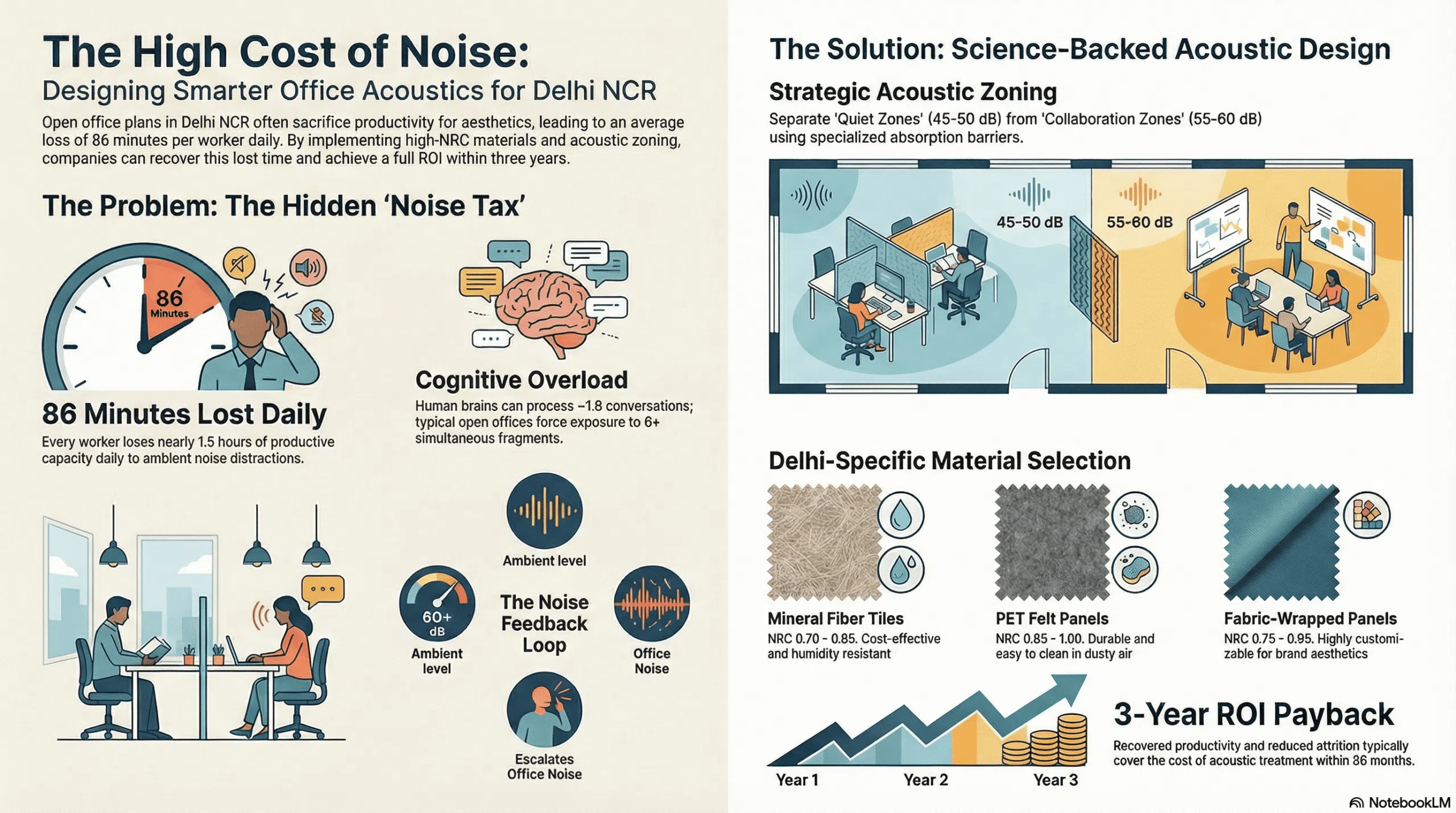
Orange Offices approaches acoustics as infrastructure, not afterthought. The research is direct. Workers lose 86 minutes per day to noise distractions according to Steelcase’s study with Ipsos. That’s not minor annoyance. That’s nearly two hours of productive capacity disappearing daily, per person. In a 100-person office, you’re bleeding roughly 14,300 hours monthly—equivalent to losing eight full-time employees to distraction alone.
For Delhi NCR offices where real estate costs ₹80-150 per square foot monthly and talent’s increasingly picky about workplace quality, acoustic design delivers returns that show up in retention data, error rates, and yes, the sanity of people who need to think for a living.
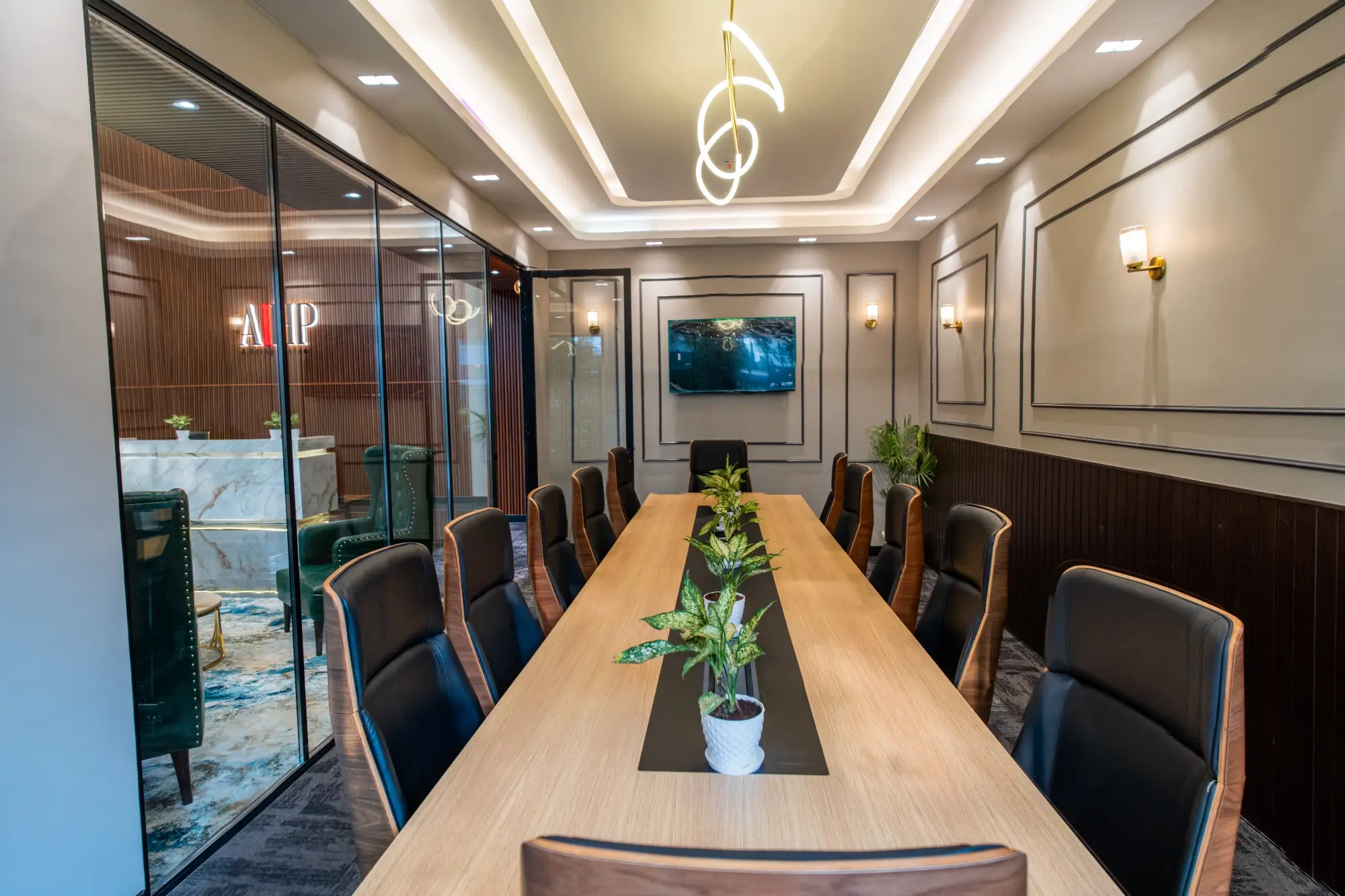
Why Open Offices Are Acoustically Terrible (And Why We Keep Building Them)
Open plans aren’t inherently bad. They solve real problems: expensive per-square-foot costs in Gurgaon and Noida, the need for visual supervision in entry-level teams, collaborative workflows that benefit from quick communication. The problem is what we removed when we took down the walls.
Sound behaves like water. It spreads, reflects, builds up. In traditional offices with walls and doors, conversations stayed contained. Speech energy hit barriers and stopped. Open offices removed those barriers without replacing them with anything that manages sound energy.
Hard surfaces make it worse. Glass partitions look great in renderings. Concrete ceilings preserve the “industrial” aesthetic everyone wanted five years ago. Polished granite floors last forever with zero maintenance. Each of these materials has a Noise Reduction Coefficient near zero—meaning they absorb almost nothing and reflect sound energy back into the space.
The result isn’t just “noisy.” It’s cognitively
destructive. Research from Julian Treasure at The Sound Agency identified that conversations are uniquely distracting. Our brains can process about 1.6 human conversations simultaneously. In a typical open office during busy hours, you’re exposed to six or eight partial conversations at once. Your brain keeps trying to make sense of fragments, pulling focus from the actual work you’re attempting.
The WHO recommends 60-65 decibels as the maximum for intellectual work. Most open offices in Delhi NCR hit 65-75 decibels during peak hours. Normal speech at one meter is about 60 decibels. When ambient noise reaches that level, speech interference occurs—people start raising voices to be heard, which raises the ambient level further. It’s a feedback loop where the office gets progressively louder until people give up and go home, or stick in earbuds and check out mentally while physically present.
The Three Acoustic Problems You’re Actually Solving
Before buying panels or calling contractors, you need to know which acoustic problem you have. There are three, and they need different solutions.
Problem 1: Reverberation and Echo
Sound bounces off hard surfaces. In spaces with lots of glass, concrete, and hard flooring, sound energy keeps reflecting until it decays naturally. That takes time. The result is muddy acoustics where conversations overlap and clarity suffers.
The fix is absorption. Materials with high NRC ratings convert sound energy into tiny amounts of heat instead of reflecting it back into the room. You’re not blocking sound from moving between spaces—you’re removing it from the environment entirely.
Problem 2: Speech Privacy and Transmission
This is when you can hear every word from three desks away. It’s terrible for confidential work, annoying for concentration, and makes hybrid video calls embarrassing because everyone hears both sides of your conversation.
The fix needs barriers plus absorption. Partial-height panels provide some blocking. Acoustic ceiling tiles with decent CAC (Ceiling Attenuation Class) ratings prevent sound from traveling through the plenum. Strategic furniture placement creates zones.
Problem 3: Background Noise Buildup
When 50 people type, breathe, shuffle papers, take calls, and walk around, the cumulative effect creates a noise floor that’s constant and exhausting. It’s not loud spikes—it’s persistent mid-level sound that slowly drains energy.
The fix is absorption across larger surface areas plus intentional sound masking in some cases. The goal is reducing ambient levels by 5-8 decibels, which subjectively feels like “half as loud” to most people.
Material Science: What Actually Works in Indian Office Conditions
NRC ratings tell you how much sound a material absorbs on a 0.0-1.0 scale. For Delhi NCR offices, you want materials in the 0.70-0.95 range depending on location and function.
Acoustic Ceiling Solutions
Ceilings cover the largest surface area in most offices, making them high-leverage for acoustic improvements. Mineral fiber tiles typically deliver NRC 0.70-0.85. They’re cost-effective at ₹150-300 per square foot installed, handle Delhi’s humidity reasonably well with proper HVAC, and come in standard grid sizes that fit existing T-bar ceilings.
Fabric-wrapped ceiling baffles or clouds achieve NRC 0.85-1.00. These hang from the structure, creating absorption where you need it most—directly over workstations or in high-traffic zones. They cost more (₹400-800 per square foot depending on size and custom requirements) but deliver better performance in problem areas.
The worst choice is exposed concrete with no treatment. It might look good initially, but concrete has NRC 0.01. Every sound you generate bounces right back. If you’re keeping the concrete aesthetic, you need double the wall treatments to compensate, and you’ll never fully solve the problem.
Wall Panel Options
Fabric-wrapped panels with acoustic cores run NRC 0.75-0.95 depending on thickness. A 25mm panel might hit NRC 0.80, while 50mm panels approach NRC 0.95. For office design in Delhi NCR, these work well because they’re customizable in colors and finishes, integrate with branding, and handle dust better than perforated options.
Polyester acoustic panels (PET felt) consistently deliver NRC 0.85-1.00. They’re more durable than fabric options, don’t require rigid backing, come in interesting textures and colors, and are surprisingly affordable at ₹250-500 per square foot. Orange Offices uses these often because they maintain appearance after years of Delhi pollution exposure.
Wood wool panels offer NRC 0.60-0.80 while preserving natural aesthetics. They’re not the highest performers acoustically, but when clients want bespoke office interior design that balances acoustic function with a warm, organic look, wood wool hits that middle ground.
The key mistake is thinking one material type solves everything. You need varied absorption across the frequency spectrum. Low frequencies (the rumble) need thicker materials or air gaps. Mid-to-high frequencies (speech) respond well to standard panels. A good acoustic design uses 2-3 different treatment types strategically placed.
Furniture as Acoustic Infrastructure
High-backed workstation panels with integrated acoustic cores provide localized absorption where people sit. Think NRC 0.60-0.75 for quality versions. Upholstered lounge furniture helps in break areas—each piece contributes NRC 0.30-0.50 depending on fabric and fill.
Acoustic phone booths or focus pods create refuge spaces. These need proper sealing and ventilation (remember you’re in Delhi summers), but they solve the “I have zero privacy for calls” problem without rebuilding walls.
Plants contribute minor acoustic benefit (NRC 0.05-0.15) but they’re worth including. Research at Paharpur Business Centre in Delhi showed biophilic elements improved perceived acoustic comfort even when actual decibel measurements didn’t change dramatically. People felt the space was quieter because it felt better overall.
Acoustic Zoning: Where Science Meets Spatial Planning
The best acoustic design creates different zones for different work modes. This isn’t about aesthetics—it’s about matching acoustic conditions to task requirements.
Quiet Zones
Target: 45-50 decibels ambient. Use high-NRC treatments (0.85+) on walls and ceilings. Position away from circulation paths, meeting rooms, and pantry areas. Include partial-height barriers (minimum 1.5m) between workstations. Add soft flooring—carpet or carpet tiles with acoustic backing.
Who needs this: Analysts, developers, anyone doing complex mental work. Writers. Financial modelers. People on the phone with clients who shouldn’t overhear everyone else’s conversations.
Collaboration Zones
Target: 55-60 decibels ambient. Use moderate absorption (NRC 0.70-0.80) so conversations don’t echo but people can still hear each other across tables. Keep some reflective surfaces—totally dead acoustic spaces feel uncomfortable and make normal conversation difficult.
Who needs this: Design teams brainstorming. Sales teams coordinating. Project managers doing standups. Anyone whose job involves talking through problems together.
Circulation and Casual Zones
Target: Variable, but managed so sound doesn’t travel into quiet zones. Use ceiling absorption heavily. Consider sound masking systems that introduce low-level background noise (like airflow sound) to make conversations less intelligible at distance.
Common mistakes: Putting the pantry next to quiet work areas. Positioning printers and copiers (which spike noise) in acoustically untreated corners. Running major circulation paths directly through focus zones.
The Delhi NCR Context: What’s Different Here
Standard acoustic solutions need adaptation for Indian conditions.
Dust and Air Quality
Delhi’s air quality affects acoustic materials. Perforated metal panels with exposed acoustic backing collect dust inside the perforations. Fabric-wrapped panels need cleanable or replaceable fabrics. PET felt panels handle dust better—the material can be vacuumed or wiped without damage.
During extreme pollution events (November-January), HVAC filters work harder and noise from air handling units increases. Design needs to account for AHU noise as part of the baseline ambient level.
Climate and Humidity
Summer temperatures mean AC units run constantly. These generate broadband noise around 45-50 decibels even when functioning properly. Acoustic design can’t ignore mechanical system noise—it’s your baseline before anyone speaks or moves.
Monsoon humidity affects some acoustic materials. Fiberglass-based products can sag if moisture infiltration occurs. Mineral fiber products handle humidity better. PET felt is essentially immune to moisture issues. Eco friendly workspace design in Delhi NCR should specify moisture-resistant acoustic materials from the start.
Dense Urban Noise
External noise intrusion from traffic, construction, and urban density creates challenges. Double-glazed windows help but don’t eliminate the problem. The acoustic design needs to establish an indoor baseline that’s 15-20 decibels below outdoor levels during peak traffic hours.
This means treating the entire envelope—windows, entry doors, and gaps around ceiling-to-wall intersections where outdoor sound can infiltrate through plenums.
Cost Structures and ROI Calculations That Actually Matter
Acoustic improvements aren’t cheap, but the payback is quantifiable.
Implementation Costs
Basic interventions during modern office renovation: ₹180-250 per square foot. Includes acoustic ceiling tiles (replacing standard tiles), wall panel coverage on 20-30% of vertical surfaces, and acoustic treatment in meeting rooms.
Comprehensive acoustic design in new builds: ₹350-400 per square foot. Includes ceiling treatments, extensive wall coverage, acoustic furniture specifications, sound masking systems, and proper isolation of mechanical noise sources.
Premium solutions with custom elements: ₹600-850 per square foot. Think fabric walls with hidden acoustic cores, custom ceiling installations, integrated acoustic lighting, high-end acoustic pods, and architectural acoustic detailing throughout.
Productivity Returns
The 86 minutes lost daily per worker adds up. For knowledge workers with fully-loaded costs of ₹80,000-120,000 monthly (salary plus benefits, overhead, facilities), recovering even half of that lost time represents ₹1,500-2,000 per employee per month in captured productivity.
In a 100-person office, that’s ₹1.5-2.0 lakh monthly, or ₹18-24 lakh annually. Your acoustic investment might be ₹40-60 lakh for the full office. Payback period: under three years, often less.
Error Reduction
Research shows that interruptions double error rates in complex cognitive work. For companies where mistakes are expensive—financial services, healthcare, legal, engineering—acoustic improvements reduce costly mistakes. The value is harder to quantify but shows up in quality metrics and rework hours.
Talent Retention
Steelcase research found workers highly dissatisfied with their physical environment are highly disengaged. Employee
surveys consistently show noise as a top complaint. When talent has options (and in Delhi NCR’s competitive market they do), workplace quality factors into retention decisions.
Replacing an employee costs 1.5-2x annual salary when you factor in recruiting, onboarding, and productivity ramp. If better acoustics reduces attrition by even 2-3 people annually in a 100-person office, that’s ₹30-60 lakh saved right there.
Implementation Strategy: How to Actually Fix This
Most companies take one of three approaches. Two don’t work.
What Doesn’t Work: Cosmetic Retrofit
Someone orders panels, they get mounted randomly on available wall space, nothing measurably improves. This happens because you need coverage density and strategic placement. Putting four panels in a 2,000 square foot open area won’t solve anything. You need 20-30% of surface area treated, positioned based on sound behavior not available wall space.
What Doesn’t Work: Design Theater
Beautiful acoustic elements that have terrible actual performance. “Acoustic” panels with NRC 0.25 because someone prioritized aesthetics over function. Perforated metal with no backing material (looks industrial, does nothing acoustically). Thin fabric stretched over standard drywall (might as well be paint).
What Works: Systematic Acoustic Design
Start with measurement. Use a sound level meter to establish baseline readings during typical work hours in different zones. You need actual data, not guesses.
Test materials in context. Get samples with real NRC ratings from accredited labs (not marketing claims). Install samples in problem areas, work for a week, evaluate subjectively and with measurements.
Design for coverage and distribution. Calculate total absorption needed based on room volume, existing materials, and target reverberation time. Distribute that absorption strategically—heavier near noise sources, moderate in circulation zones, highest in quiet work areas.
Plan for phasing if budget’s tight. Priority one: acoustic ceiling treatment and meeting room fixes. Priority two: wall treatments in quiet zones and key collaboration areas. Priority three: acoustic furniture, pods, and aesthetic upgrades.
Getting Acoustic Design Right From the Start
Delhi NCR’s commercial real estate costs and talent competition make every square foot and every employee hour valuable. You can’t afford to lose 86 minutes daily per person to acoustic dysfunction.
Orange Offices approaches acoustics systematically. We measure existing conditions, identify specific problems (reverberation vs privacy vs background buildup), specify materials based on real NRC ratings not marketing, and design treatment coverage based on room geometry and usage patterns.
The physics doesn’t change based on trends. Sound either absorbs or reflects. Materials have measurable acoustic properties. Properly designed spaces support focused work and collaboration without forcing people to choose between the two.
The cost seems high until you calculate what you’re losing to poor acoustics. Then it becomes obvious infrastructure, not nice-to-have upgrade.
Ready to fix your office acoustics properly? Get in touch with Orange Offices to discuss office interior design in Delhi NCR that accounts for how people actually work, not just how spaces photograph.