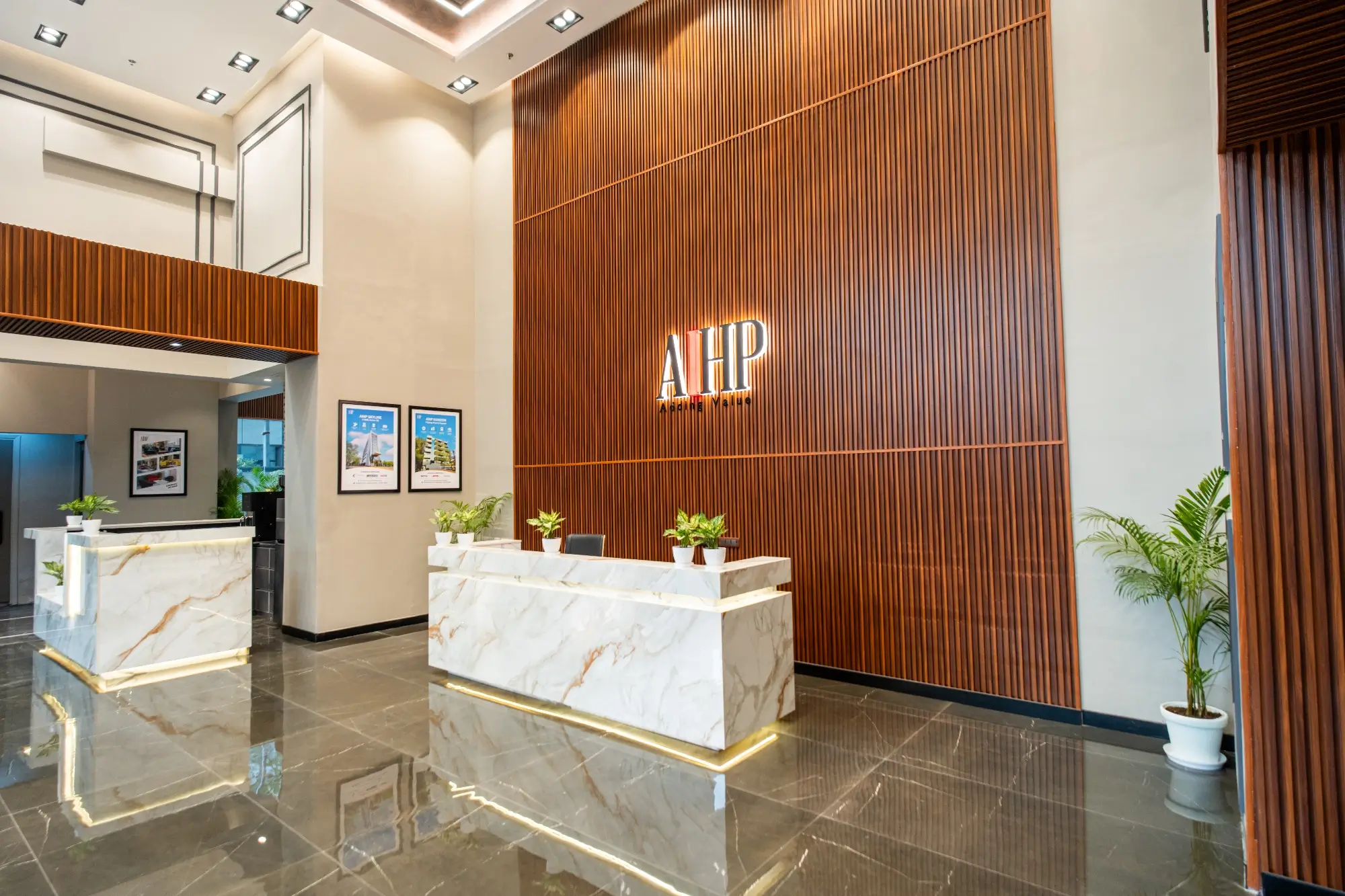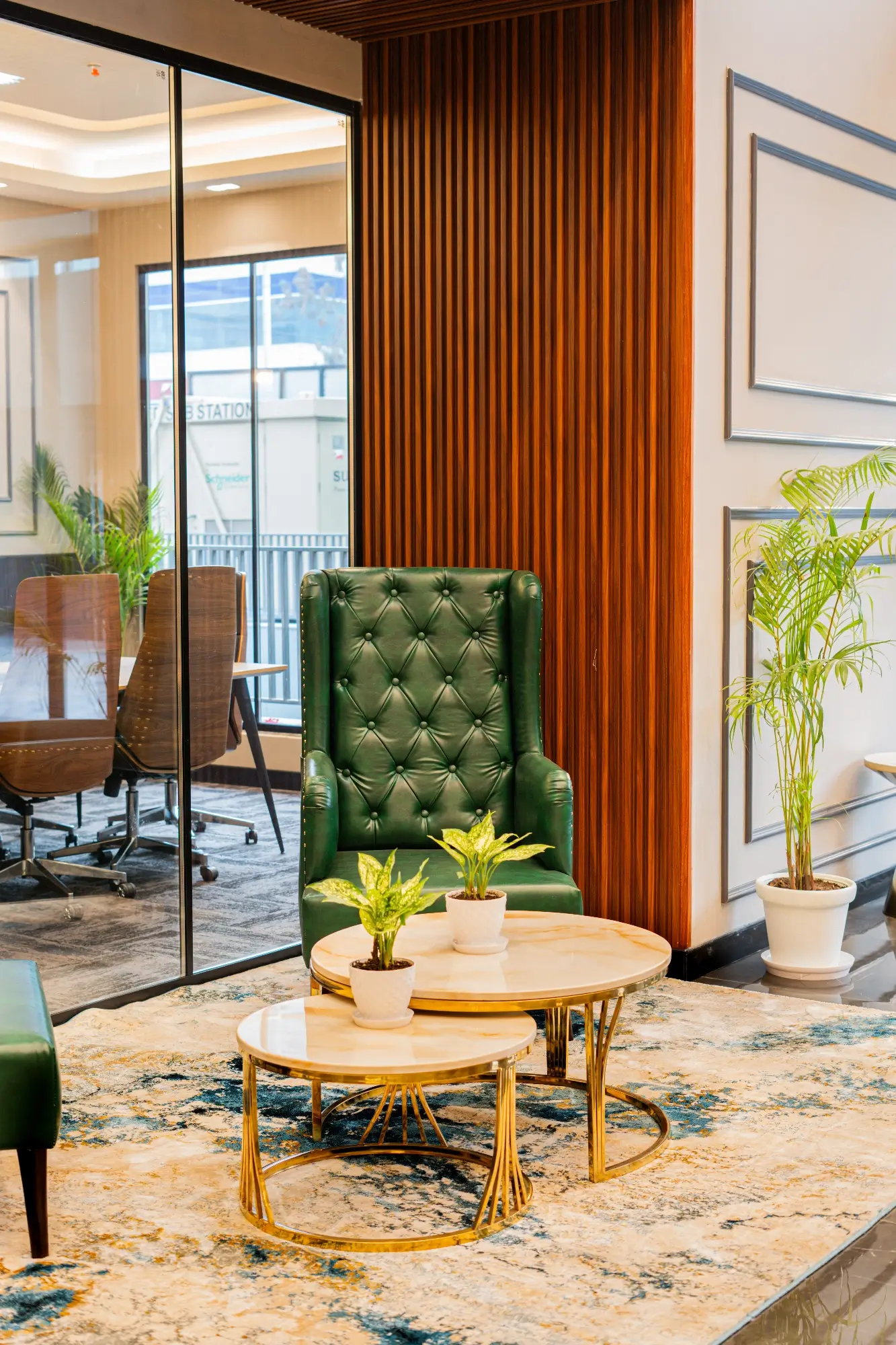
Delhi NCR’s air quality crisis isn’t just an outdoor problem. When PM 2.5 levels breach 400 and smog blankets the city for weeks, your office’s indoor environment becomes a critical business concern. While air purifiers offer mechanical solutions, biophilic office design provides a more comprehensive answer by addressing air quality, employee wellbeing, and workplace performance simultaneously.
Orange Offices approaches biophilic design not as aesthetic decoration but as strategic infrastructure. The research is clear: workplaces that integrate natural elements see measurable improvements in productivity, creativity, and talent retention. For Delhi NCR businesses navigating pollution, real estate constraints, and evolving workplace expectations, biophilic design delivers competitive advantages that extend far beyond visual appeal.
The Neuroscience of Nature: Why Biophilic Design Works
Human brains evolved in natural environments, not fluorescent-lit cubicles. This evolutionary programming, termed “biophilia” by biologist Edward O. Wilson in the 1980s, explains why contact with nature triggers measurable physiological responses. Stress hormones drop. Heart rates slow. Cognitive performance sharpens.
The Human Spaces global workplace study documented these effects across 7,600 office workers. Environments incorporating biophilic elements showed 6% higher productivity rates, 15% increases in creativity, and 15% improvements in self-reported wellbeing. Natural light emerged as the most impactful factor, yet 47% of workers reported having no natural light in their workspace.
Research from the University of Queensland went further, using quantitative measurements to identify optimal “greenery doses” for office environments. Their findings revealed that 12% green coverage ratio produced the strongest combined effects on psychological comfort, physiological brain activity, and task performance. Below this threshold, benefits were minimal. Above it, spaces felt overwhelming rather than restorative.
For Delhi NCR offices, this research translates into design decisions with calculable ROI. A study at New Delhi’s Paharpur Business Centre tracked outcomes over 15 years after implementing biophilic interventions. The building, housing 300 workers across 50,000 square feet with 1,200 strategically placed plants, achieved a 20% productivity increase, 15% reduction in energy costs, and became the healthiest indoor air environment in the city.
Delhi NCR’s Dual Challenge: Pollution and Performance
Delhi’s distinction as having some of the world’s poorest air quality creates unique imperatives for office design in Delhi NCR. When outdoor PM 2.5 concentrations hit 800 micrograms per cubic meter during winter smog events, indoor levels can still reach 600-700 even with air purifiers running continuously.
Air purifiers filter particulates but don’t generate oxygen or address the psychological toll of sealed, artificial environments. This is where biophilic strategies become essential rather than optional. Studies by the Indian Institute of Human Settlements found that integrating natural elements into Delhi NCR offices improved employee mental wellbeing by 21% and reduced workplace stress markers significantly.
The indoor air quality benefits are substantial. Research at Punjab Agricultural University and validation at Delhi’s Paharpur Business Centre demonstrated that specific plant species effectively reduce volatile organic compounds, carbon dioxide levels, and airborne toxins. Three species tested over 15 years—areca palm, snake plant, and money plant—produced measurable reductions in eye irritation (52% fewer cases), respiratory impairment (34% reduction), and headaches (24% decrease) compared to typical Delhi NCR office workers.
For businesses, this isn’t just about employee comfort. The UK Green Building Council documented that workers with good access to daylight reported 18% fewer sick days. In Delhi NCR’s context where pollution-related health issues already burden workforces, biophilic design becomes a retention and productivity lever.
Implementing Biophilic Design: Beyond Generic “Add Plants” Advice
Effective bespoke office interior design in Delhi NCR requires understanding the city’s specific constraints: limited natural light in dense developments, extreme temperature swings, persistent air pollution, and water scarcity concerns.
Natural Light Maximization in Dense Urban Settings
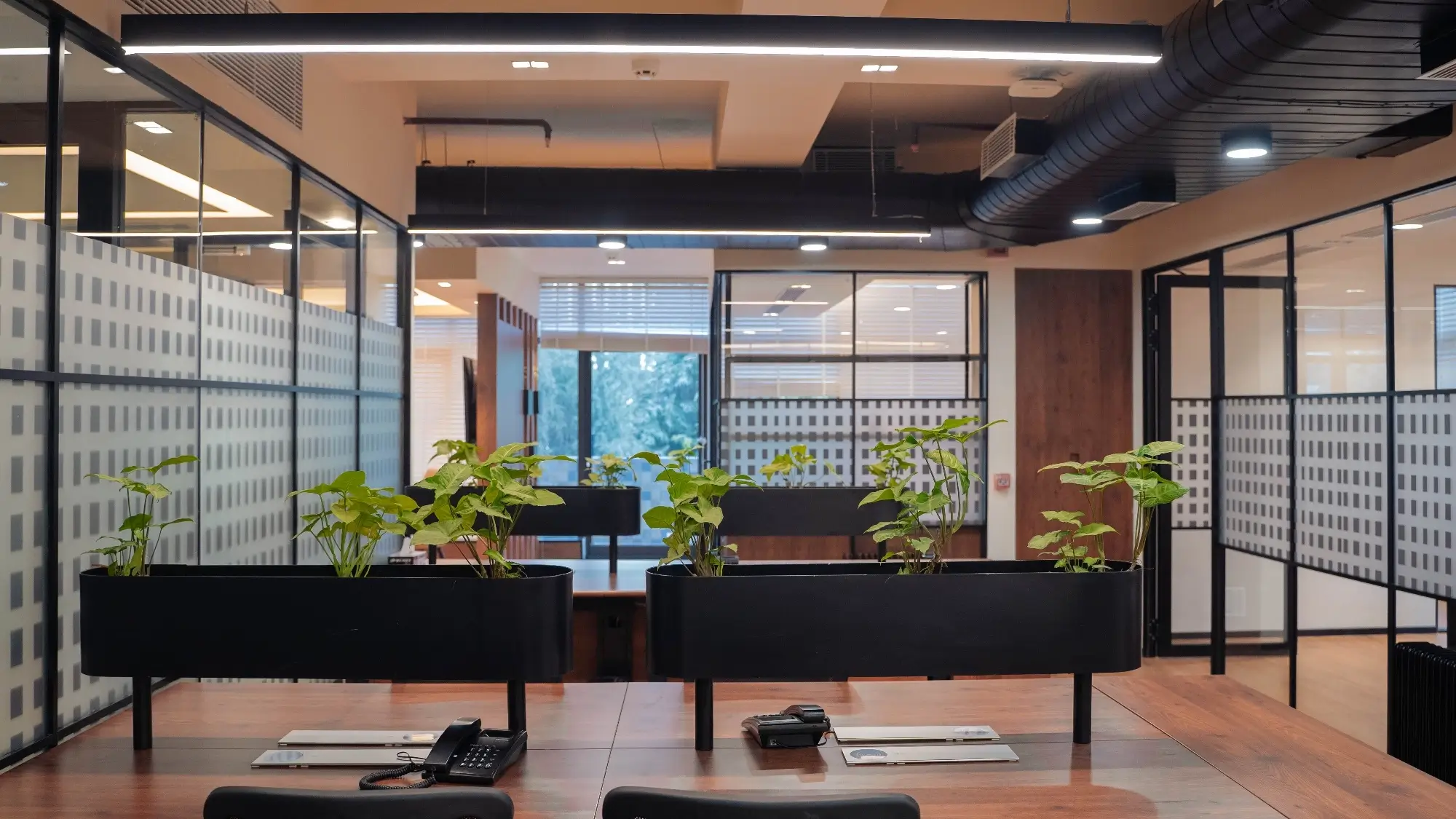
Natural light delivers the strongest biophilic benefits but presents challenges in Delhi NCR’s vertical developments. Orange Offices approaches this through spatial planning that prioritizes light penetration. Glass partitions allow borrowed light to reach interior zones. Reflective surfaces strategically placed can distribute daylight deeper into floor plates. Even small interventions—raising workstation panels by 30cm to allow light flow, or positioning collaborative areas near windows—produce measurable improvements in employee satisfaction.
When natural light is genuinely constrained, full-spectrum LED systems that mimic daylight’s spectral qualities provide partial benefits. Research shows these support circadian rhythm regulation and reduce eye strain compared to standard fluorescent lighting, though they cannot fully replicate direct sunlight’s psychological impact.
Plant Selection for Delhi NCR’s Climate and Maintenance Reality
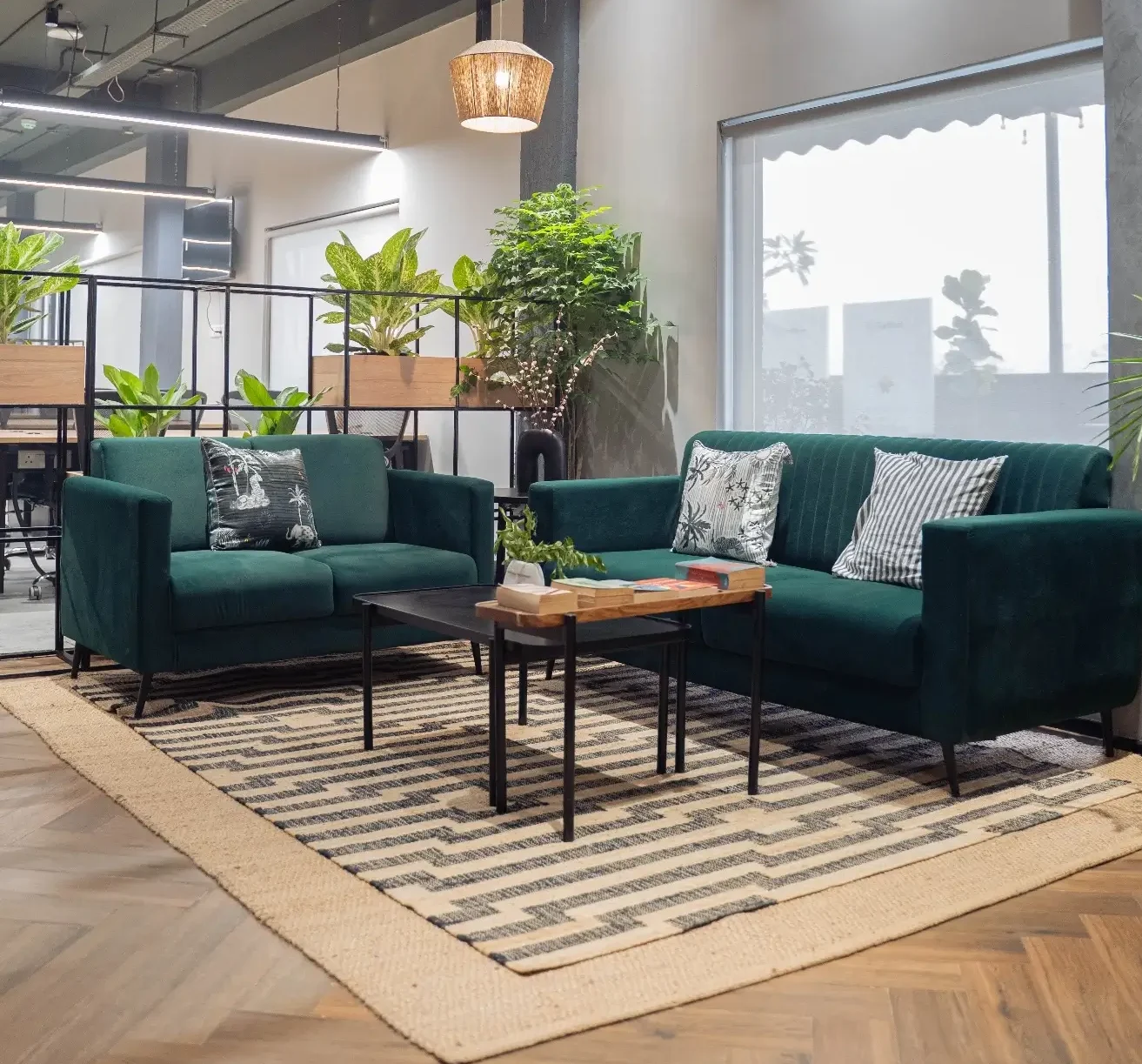
Generic biophilic design advice often recommends species unsuitable for Indian conditions. Orange Offices focuses on low-maintenance, locally adapted plants that thrive in Delhi NCR’s climate extremes and improve air quality year-round.
Snake plants (Sansevieria) represent the baseline choice: resilient to neglect, functional in low light, and unusually effective at nocturnal oxygen production. For larger installations, money plants (pothos) adapt well to air-conditioned environments and remove common VOCs like formaldehyde and benzene. Areca palms add visual impact while humidifying dry winter air—particularly valuable during Delhi’s harsh cold seasons when indoor humidity plummets.
The 12% green coverage ratio from research translates practically to approximately four medium-sized plants (30-40cm pot diameter) per 10-12 square meter workspace, or one larger plant (60cm+ diameter) per 15 square meters. This density provides air quality benefits without overwhelming maintenance requirements or reducing usable floor area.
Maintenance protocols matter as much as species selection. Weekly leaf cleaning ensures plants can effectively exchange gases. Proper drainage prevents overwatering issues that create mold risk. Rotation schedules maintain plant health when natural light is limited. When these systems aren’t viable, research from Pennsylvania State University found that high-quality artificial plants with natural forms and colors still provide 40-60% of the psychological benefits of live plants—a practical compromise for high-traffic zones or areas with zero natural light.
Material Choices That Embed Nature Without Requiring Nature
Delhi NCR’s traditional building materials—exposed brick, clay tiles, hand-worked wood—naturally align with biophilic principles while being climate-appropriate. These materials introduce tactile variety, visual warmth, and subtle sensory richness that sterile glass-and-metal environments lack.
Wood surfaces, whether as flooring, accent walls, or furniture elements, consistently test well in biophilic design research. They’re associated with reduced stress responses and increased comfort ratings. For eco friendly workspace design, reclaimed or sustainably sourced Indian hardwoods like teak or sheesham provide durability alongside their biophilic qualities.
Stone and clay elements ground spaces visually. Exposed concrete finished to show natural aggregate creates unexpected warmth while being low-maintenance and thermally appropriate for Delhi NCR’s hot summers. Jute fiber panels improve acoustics while adding organic texture.
The key is avoiding monotony. Biophilic environments typically incorporate 3-5 different natural materials within a single space, each with distinct textures and finishes that reward close observation.
Spatial Design That Mimics Natural Environments
Nature doesn’t organize in grids. Biophilic spatial planning introduces elements that satisfy deep-seated preferences for prospect (visual openness and the ability to survey surroundings), refuge (enclosed, protected spaces for focused work), and mystery (partial views that invite exploration).
In practice, this means varying ceiling heights to create enclosure and release. It means curving pathways rather than straight corridors. It means providing enclosed quiet zones alongside open collaboration areas, allowing employees to instinctively select environments matching their current task demands.
Research at the University of Oregon documented that employees given access to varied spatial options showed 32% less stress accumulation over workweeks compared to those in uniform open-plan environments. The variety itself—the ability to choose prospect or refuge, stimulation or calm—delivered psychological benefits independent of which specific space employees selected.
Water Features: High Impact with Practical Constraints
Running water creates powerful biophilic effects. The sound masks distracting office noise while remaining non-intrusive. Visual observation of water movement produces measurable relaxation responses. In dry climates like Delhi NCR, water features provide localized humidity benefits.
However, water features require careful implementation. Maintenance demands are real—weekly cleaning prevents algae buildup and ensures water clarity. In office environments, sealed recirculating systems prevent spillage risk and minimize water consumption. Placement near outdoor-facing walls or in reception areas concentrates impact where foot traffic is highest, maximizing the number of employees who benefit.
Small-scale options like desktop fountains or living wall systems with integrated water circulation provide similar benefits at reduced complexity. The key is ensuring water movement is visible and audible from work areas, not hidden in decorative corners where employees rarely encounter it.
Cost-Benefit Analysis: Quantifying Biophilic Design’s ROI
CFOs evaluating biophilic interventions need concrete numbers. The investment varies significantly based on scope—from incremental improvements (₹150-300 per square foot for plants, natural lighting enhancements, and material updates during modern office renovation) to comprehensive transformations (₹800-1,500 per square foot for major architectural changes including skylights, water features, and extensive living walls).
Returns manifest across multiple dimensions. Productivity improvements of 6-15% represent substantial value when applied to knowledge worker salaries. For a 100-person office with average fully-loaded costs of ₹1 lakh per employee monthly, even a conservative 8% productivity gain equates to ₹96 lakh annually.
Talent retention benefits are harder to quantify but equally significant. In Delhi NCR’s competitive hiring market where office quality directly influences employer brand, biophilic design creates differentiation. The 2022 CBRE study found that premium office spaces with outdoor access commanded 5-10% rent premiums in major cities—evidence that markets explicitly value these features.
Energy savings provide additional returns. The Paharpur Business Centre case demonstrated 15% energy cost reductions through reduced air conditioning demand when natural ventilation and plant-based climate moderation were maximized. For large offices, this translates to substantial recurring savings that improve ROI timelines.
Cultural Adaptation: Biophilic Design for Indian Workplaces
Biophilic design principles are universal but implementation requires cultural sensitivity. Indian workplaces value certain plant species for cultural or Vastu significance—tulsi (holy basil) appears frequently in office entrances, money plants are considered auspicious, and bamboo carries symbolic weight.
These preferences shouldn’t be dismissed as superstition. When employees attribute positive meaning to elements in their environment, psychological benefits compound. Orange Offices often incorporates culturally significant species alongside air-purifying plants, creating layered meanings that resonate with Indian employees while satisfying functional requirements.
Similarly, water features in Indian contexts often reference traditional stepwells, courtyard fountains, or temple tanks. These design references feel familiar and calming to local employees in ways that generic contemporary water features might not. The principle remains—strengthen human connection to nature—but the expression adapts to cultural context.
Common Implementation Mistakes and How to Avoid Them
Most biophilic design failures stem from treating it as decoration rather than infrastructure. Plants purchased as afterthoughts and placed in dark corners inevitably die, creating negative associations rather than positive ones. Water features installed without maintenance protocols become stagnant within months.
Successful biophilic design requires upfront planning. Light analysis identifies where plants will actually thrive. Irrigation systems, even simple ones, prevent maintenance from becoming overwhelming. Clear ownership—whether internal facilities teams or external service contracts—ensures ongoing care.
Scale matters. Two plants in a 500 square meter office won’t deliver measurable benefits. But 40 plants in that same space, properly distributed and maintained, will. Incremental implementation works only if each phase achieves sufficient density to produce actual effects rather than cosmetic changes.
Material selections must consider maintenance realities. Exposed brick looks beautiful initially but accumulates dust in Delhi’s pollution. Sealed finishes or regular cleaning protocols become essential. Natural wood requires proper treatment for Indian humidity and temperature ranges. These aren’t reasons to avoid natural materials—they’re planning requirements.
Strategic Biophilic Design as Competitive Infrastructure
Delhi NCR businesses face interrelated challenges: severe air pollution, intense competition for talent, and pressure to create workplaces that justify return-to-office policies. Biophilic design addresses all three simultaneously.
The evidence base is substantial. Productivity improvements are measurable. Health outcomes improve demonstrably. Employee satisfaction and retention strengthen when workplaces feel fundamentally more humane. These aren’t soft benefits—they’re competitive differentiators in knowledge economy sectors where human capital represents the primary asset.
Orange Offices approaches biophilic design as systematic intervention, not aesthetic trend. We begin with environmental analysis: light conditions, air quality baselines, temperature and humidity patterns, and maintenance capacity. Plant selection, material choices, and spatial planning follow from this foundation. Implementation includes maintenance protocols that ensure interventions remain effective rather than degrading into neglected liabilities.
For Delhi NCR businesses, biophilic design represents a pragmatic response to real workplace challenges. It improves the fundamental experience of coming to work—something increasingly important as hybrid arrangements give employees explicit choices about where and when to work. When executed properly, bringing nature indoors doesn’t just beautify offices. It makes them work better.
Ready to transform your workspace with evidence-based biophilic principles? Explore our approach to office interior design in Delhi NCR or get in touch to discuss your specific workplace requirements.