Office design in India is moving fast. Hybrid has settled into a rhythm, talent expects better comfort, and CFOs want speed without CapEx shocks. 2026 won’t be about fancy showpieces. It’ll be about spaces that help people focus, collaborate smoothly, and change shape without drama. If you’re planning a new floor or a refresh, align your brief now and work with a design-first partner through our office interior design services so execution doesn’t lag the plan.
The new baseline for 2026
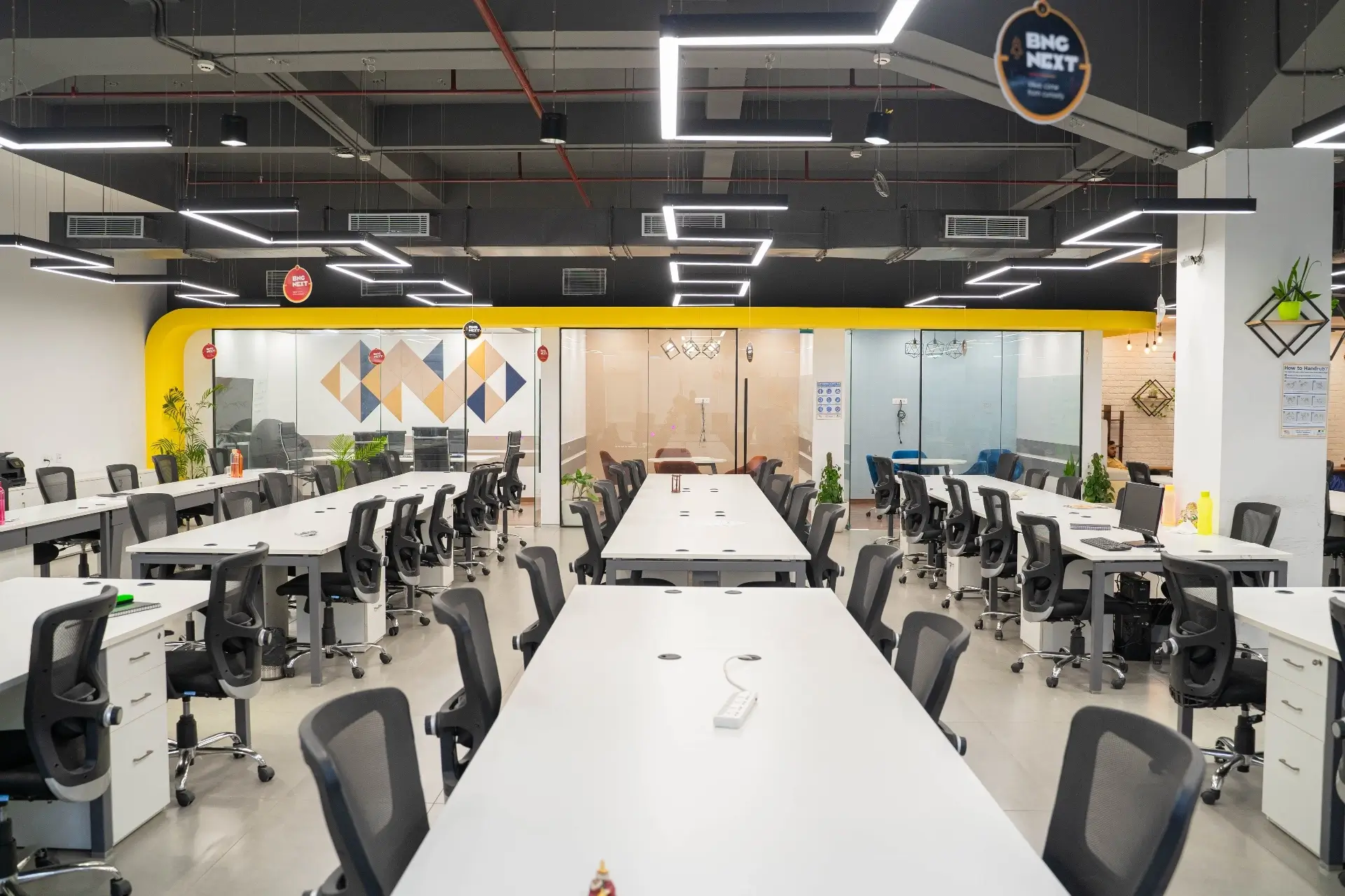
Most teams now have peak days and base days. Designers are planning for a realistic design occupancy, not a theoretical 100% headcount. Meeting mixes are skewing smaller, cafés double as townhalls, and storage plus circulation is getting real space. With that baseline, here are the trends worth preparing for.
1) Hybrid 2.0: design for actual attendance, not just headcount
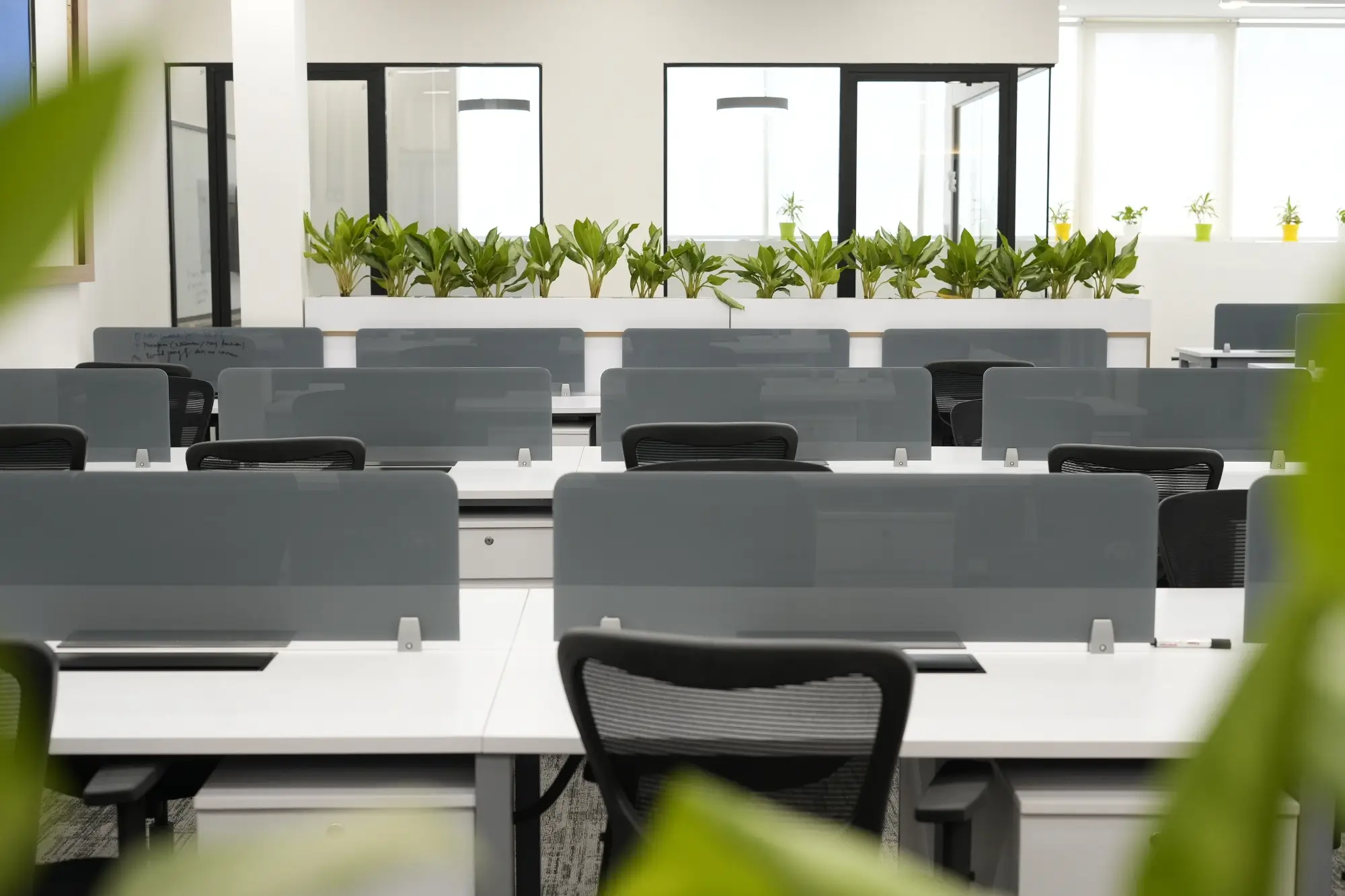
Seat ratios are stabilising between 0.75 and 0.9 depending on culture and compliance. What matters is the system behind it: team neighbourhoods, quick booking for hot desks, and enough tiny rooms so calls don’t hijack big meetings. Offices that measure utilisation for the first 6–8 weeks post-move and tune once are seeing far fewer churn cycles later.
2) Comfort is a performance KPI: light, air, and sound done right
Companies are treating comfort like uptime. Neutral ambient light with task lighting near work surfaces, warmer tones in lounges, and glare control near screens are now table stakes. Fresh air and clean zoning of HVAC (meeting rooms, open office, server) reduce afternoon fatigue. The thinking mirrors the WELL Building Standard focus on light, air, and acoustics—no certificate required, just the logic.
3) Small-room heavy planning: booths and 2–4s are the real heroes
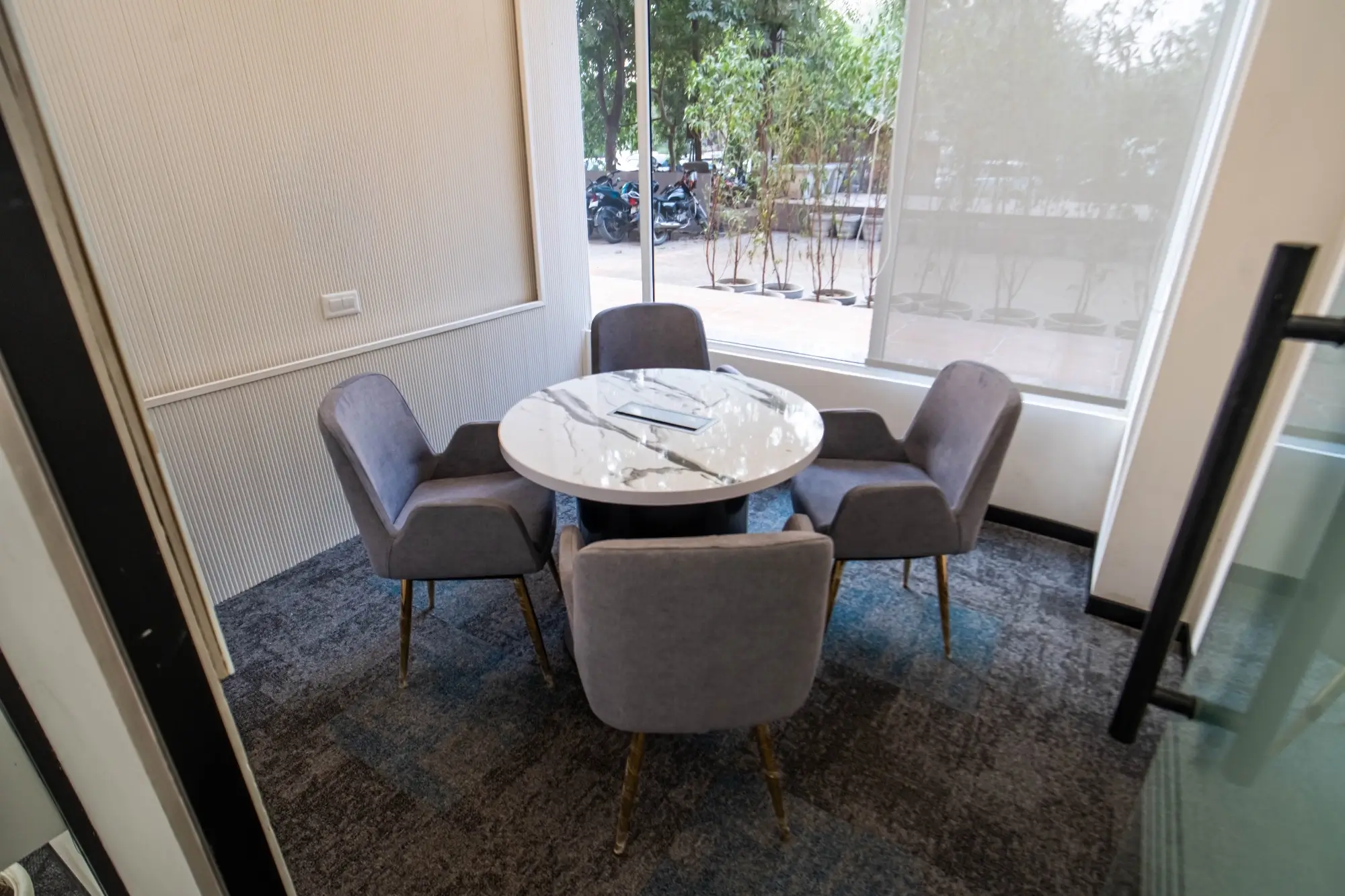
In 2026, the rooms that stay busy are the smallest ones. Expect more phone booths along the “call spine,” several 2–4 seat rooms near open areas, and fewer oversized boardrooms. Project rooms that teams “own” for a few weeks keep work pinned up and reduce layout chaos.
4) Hospitality-grade moments: the office that feels like your brand
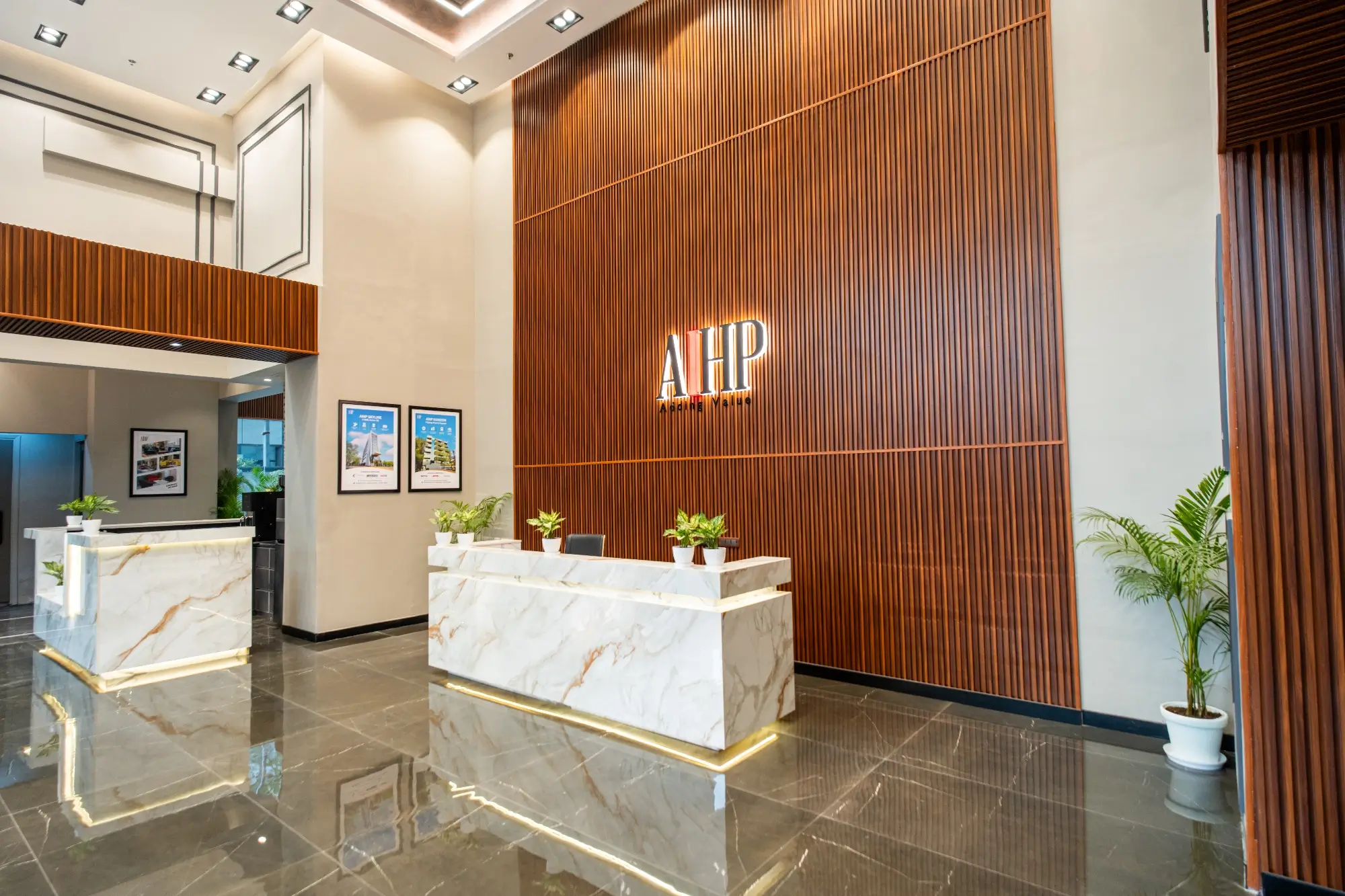
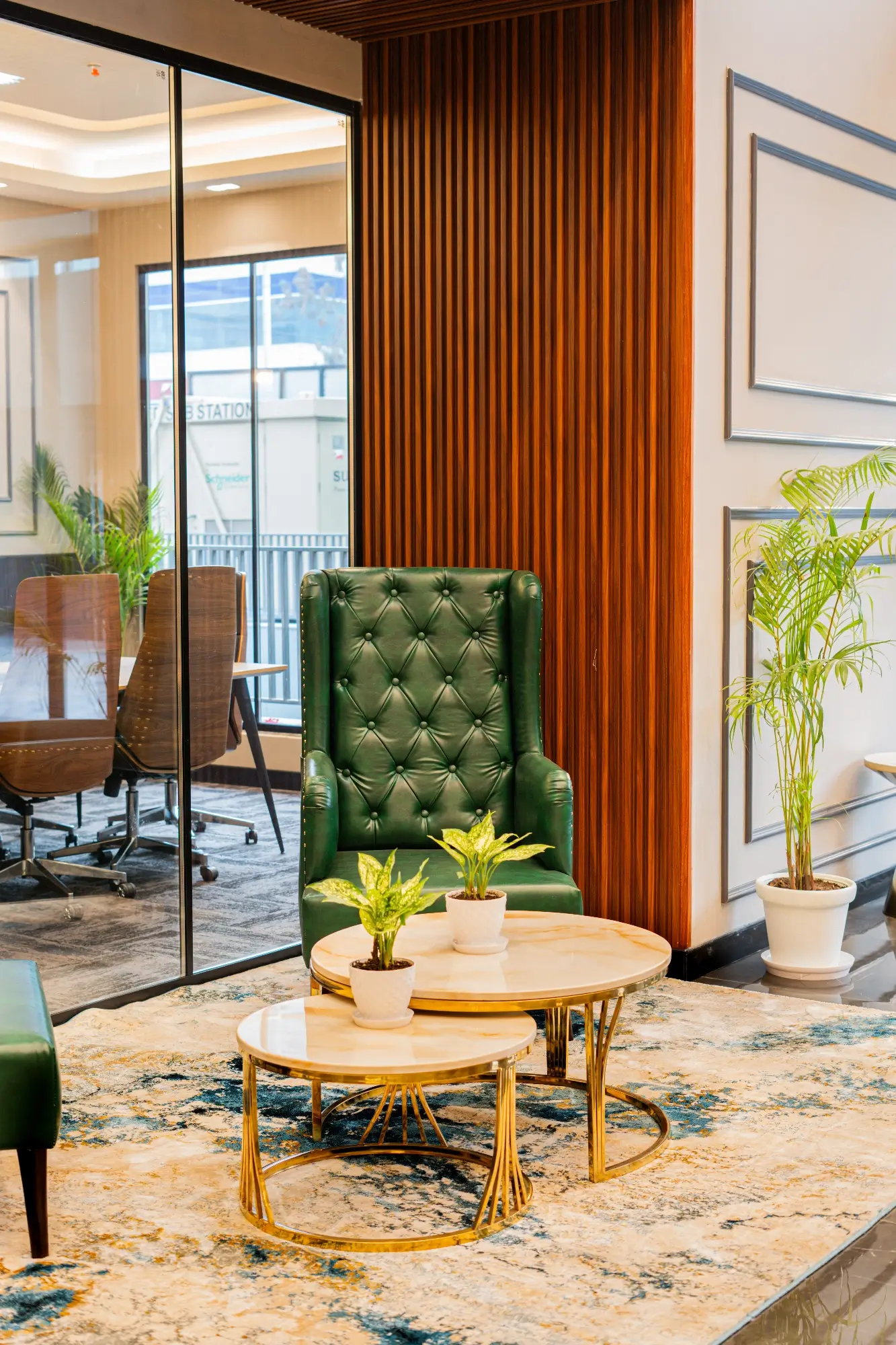
Recruitment, client impressions, and daily morale all improve when the space has 2–3 strong brand moments instead of wallpaper logos. Think calm, well-lit reception; a café that doubles as townhall; and one polished client room. If you need visual cues to set the mood, a quick pass through our gallery of built offices helps non-design folks agree faster.
5) Data-led layouts: sensors, simple dashboards, smarter tweaks
Low-friction sensors and booking data will feed simple dashboards: which rooms are jammed, which aisles feel cramped, what zones people avoid. The right reaction is small and quick—add booths before you add walls, split one big room into two small if the chart says so.
6) Green retrofits and circular fit-outs go mainstream
Budgets are favouring materials that last, can be maintained easily, and have a lower footprint. Expect more modular partitions, responsible material swaps, and energy-tuned lighting. Tenants are borrowing easy-to-apply ideas from IGBC Green Interiors to cut running costs without killing aesthetics.
7) WaaS and Zero-CapEx: managed offices as a core strategy
Workspace-as-a-Service isn’t just for startups now. Growing companies are taking managed, brand-aligned floors with a single monthly fee that rolls fit-out, furniture, and operations together. This shifts build risk, speeds up go-live, and simplifies governance with one helpdesk and clear SLAs.
8) Inclusive and neurodiversity-aware design
Quiet “library” bays, a few low-stimulus focus rooms, adjustable lighting, and varied seating textures help different brains do their best work. The point isn’t to label areas—it’s to give options so people can choose what they need on a given day. For planning fundamentals that keep this grounded, our plain-English 10 Elements of a Well-Designed Office Building is a good alignment tool for founders, HR, and IT.
9) Privacy by default: access, data, and conversation control
With more calls and more screens, privacy is getting baked into the plan. Expect better door seals, sightline management at desks, and badge-based zones as standard. Even a small office benefits from one “no devices” room for sensitive chats.
10) Furniture 2.0: ergonomic, mobile, and standards-backed
Sit–stand options for a slice of users, mobile power for collaboration tables, and chairs that survive long hours are now non-negotiable. Teams are shortlisting products that align with the BIFMA standards overview so they don’t replace half the floor in year two. If budget is tight, reduce desk count slightly, not quality.
11) AI-assisted FM: predictive, not reactive
Facilities teams will lean on simple AI tools to spot patterns—AC loads before heat spikes, cleaning cycles tied to real use, and spare-part alerts before failures. The office will feel smoother not because of magic, but because small problems get handled before they become big.
12) Back-to-basics discipline: storage, circulation, and tidy rules
The floors that age well in 2026 will have honest storage (for IT gear, housekeeping, and parcels), generous aisles, and a few simple etiquette rules. Lockers keep bags off chairs. A courier landing near reception stops boxes from blocking exits. Weekly 10-minute tidy drills with admin keep it that way.
How to get ready in four simple moves
- Track two weeks of attendance by team, then design for a number between base and peak.
- Ask for three test-fits (small-room heavy) and review with HR and IT in one meeting.
- Freeze MEP early: HVAC zones, fresh air, power/data points, and Wi-Fi access points.
Lock the BOQ line by line; then move fast. When you’re ready to scope this for your floor plate, just reach out on our contact page and we’ll map timelines and costs without jargon.